
Learning to drive in the UK is changing fast. From updated DVSA driving test rules to stricter mobile phone penalties and smarter motorway learning standards, the new driving laws 2026 UK learners face are designed to create safer, more confident drivers.
If you are currently taking driving lessons, budgeting for your learning journey, or planning to book your practical exam this year, understanding the latest rules could save you time, money, and unnecessary stress.
The good news is that most of these updates are actually designed to help learners become safer drivers for real-world roads, not just pass a driving test.
In this guide, we’ll break down the latest DVSA updates for 2026, explain how they affect learner drivers, and show you what you should focus on during your lessons.
Why the New Driving Laws 2026 UK Matter
The DVSA and UK government regularly update driving rules to improve road safety, reduce accidents, and adapt to modern driving conditions.
In 2026, there is a much stronger focus on:
- Real-world driving skills
- Smart motorway awareness
- Safe use of technology while driving
- Eco-driving techniques
- Driver awareness and hazard prevention
- Better preparation before practical tests
For learner drivers, this means driving lessons are becoming more practical, modern, and focused on long-term driving confidence instead of simply memorising test routes
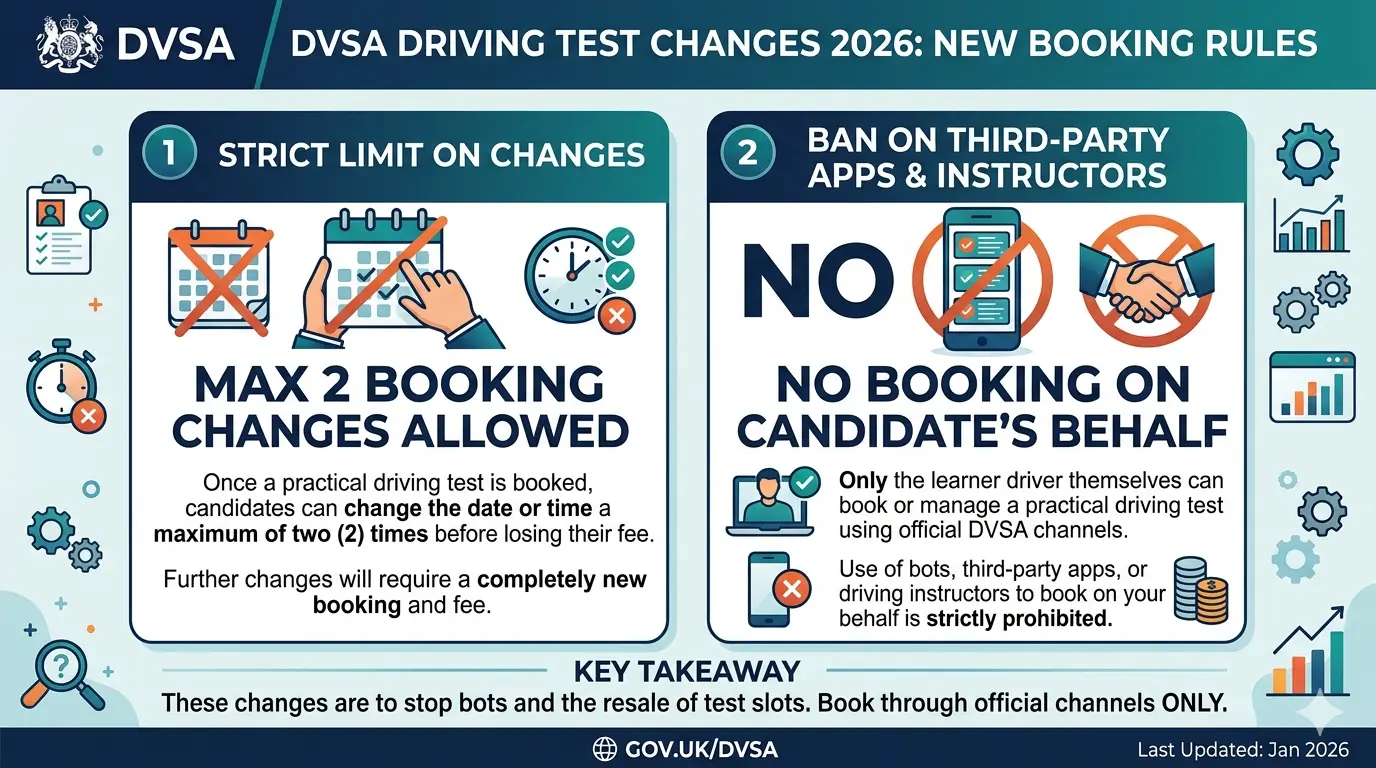
1. DVSA Driving Test Changes 2026
One of the biggest concerns for learner drivers right now is understanding the latest UK driving test changes and how they affect the practical exam in 2026.
While the overall structure of the practical driving test remains similar, examiners are now placing greater attention on real-life decision-making rather than robotic driving habits.
What Has Changed?
Driving examiners are paying closer attention to:
- Observation at junctions
- Roundabout awareness
- Mirror checks during lane changes
- Safe motorway understanding
- Sat-nav independence
- Hazard anticipation
- Driver confidence under pressure
This means learners must demonstrate safer and more natural driving behaviour rather than simply following memorised routines. Many instructors across the UK are increasing the difficulty of mock tests because small observational mistakes remain among the top reasons learners fail their driving test.
2. Smart Motorway Awareness Is More Important
Smart motorways continue to be a major focus in 2026.
Although motorway driving is not officially a required part of the practical test, many driving schools now include motorway sessions during advanced learner lessons.
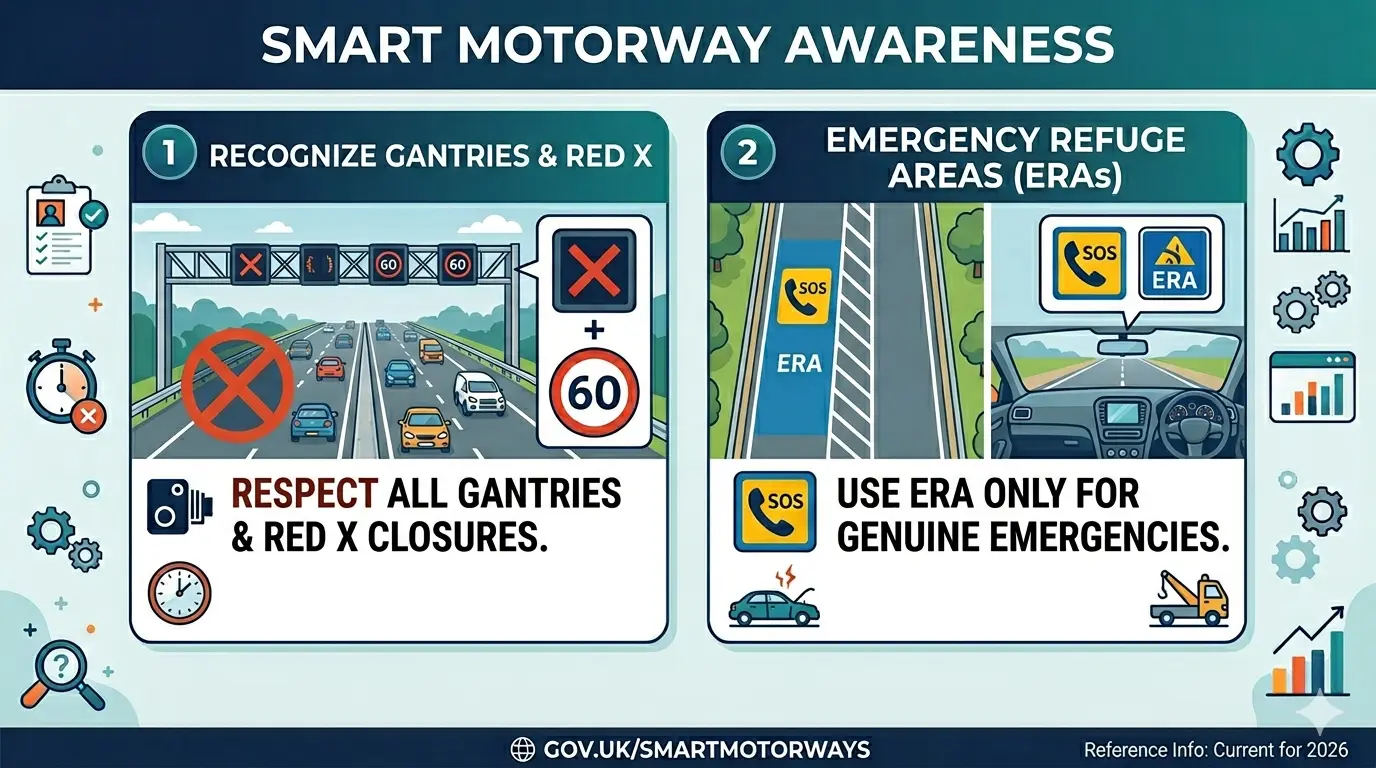
Learners Are Now Expected to Understand:
- Red X lane closures
- Variable speed limits
- Emergency refuge areas
- Lane discipline
- Safe motorway joining techniques
- Smart motorway camera enforcement
Understanding these rules is becoming increasingly important because examiners may ask related “show me, tell me” questions during tests.
For many learners, Motorway practice is now becoming a normal part of learner preparation, especially for students who want to build safer long-distance and defensive driving habits.
3. Tougher Penalties for Mobile Phone Use
The UK government continues cracking down on distracted driving in 2026.
Using a handheld mobile phone while driving now carries severe consequences for both new drivers and experienced motorists.
Current Penalties Include:
- £200 fine
- 6 penalty points
- Potential licence suspension for new drivers
For learner drivers, this is especially serious because gaining 6 points within two years of passing your test can result in losing your licence completely.
Even touching your phone while stationary in traffic may lead to penalties unless the vehicle is safely parked.
Driving instructors are now focusing more on helping learners avoid dangerous driving distractions caused by phones, social media habits, and modern in-car technology.
4. New Focus on Eco-Driving Skills
Eco-driving has become one of the most important trends in modern driving lessons.
The DVSA now encourages instructors to teach fuel-efficient and environmentally responsible driving habits during lessons.
Eco-Driving Skills Include:
- Smooth acceleration
- Earlier braking
- Better gear timing
- Reduced harsh steering
- Lower fuel consumption
- Improved anticipation
This is especially important as electric vehicles continue growing across the UK.
Many driving schools now offer automatic driving lessons in hybrid or electric vehicles to help learners adapt to the future of driving.
5. Theory Test Questions Are Becoming More Realistic
The DVSA theory test has also evolved.
Instead of relying heavily on memorisation, modern theory questions now focus more on judgment, awareness, and real-world safety situations.
Learners Should Expect More Questions About:
- Cyclist safety
- Pedestrian priority
- Smart motorway signs
- Weather hazards
- Safe stopping distances
- Driving distractions
- Technology awareness
Hazard perception sections are also becoming more important because the DVSA wants drivers to react earlier to developing dangers.
This means practical understanding matters more than simply memorising answers from apps.
6. Greater Focus on Cyclist and Pedestrian Safety
The Highway Code updates introduced in recent years are now being enforced more seriously during lessons and tests in 2026.
Learner drivers are expected to show greater awareness of vulnerable road users.
Important Rules Include:
- Giving cyclists at least 1.5 metres of space
- Allowing pedestrians priority at junctions
- Checking mirrors carefully before turning
- Understanding shared road spaces
- Being cautious near schools and crossings
Examiners are actively marking learner awareness in these situations during practical tests.
7. Automatic Driving Lessons Continue Growing in Popularity
One major trend connected to the new driving laws 2026 UK learners are noticing is the rise of automatic driving lessons.
Automatic cars are becoming increasingly popular because:
- Electric vehicles are automatic
- They reduce learner stress
- No clutch control is needed
- Urban driving becomes easier
Many learners now choose automatic lessons to pass faster and build confidence earlier.
However, manual driving lessons still remain valuable because a manual licence allows you to drive both manual and automatic vehicles.
Choosing between automatic vs manual driving lessons now depends more on your future driving goals and confidence level.
8. Learner Driver Insurance Is Becoming More Flexible
New app-based learner insurance policies are making private practice easier in 2026.
Many UK insurance providers now offer:
- Hourly learner insurance
- Temporary learner cover
- App-managed policies
- Flexible family driving practice options
This allows learners to gain extra experience outside professional lessons without expensive long-term policies.
More practice often leads to:
- Faster progress
- Better confidence
- Fewer test failures
- Lower overall learning costs
9. DVSA Instructor Standards Are Becoming Stricter
The DVSA continues improving instructor quality standards in 2026.
Approved Driving Instructors (ADIs) are being monitored more closely through:
- Student feedback
- Pass rates
- Lesson quality reviews
- Safety standards
- Teaching consistency
This benefits learners because it becomes easier to identify professional instructors who genuinely help students progress safely and confidently.
When choosing an instructor, learners should always look for:
- A green DVSA badge
- Strong recent reviews
- Structured lesson plans
- Calm communication style
- Honest progress tracking
Common Mistakes Learners Make Under the New Rules
As driving standards evolve, some mistakes are becoming more common among learner drivers.
The Biggest Problems Include:
Rushing the Driving Test
Many learners book too early without proper preparation.
Ignoring Hazard Awareness
Observation mistakes remain one of the top reasons for failing.
Over-Reliance on Sat Navs
Learners still need strong road awareness without depending entirely on technology.
Panic During Roundabouts
Confidence and decision-making matter more than perfect driving.
Not Taking Mock Tests Seriously
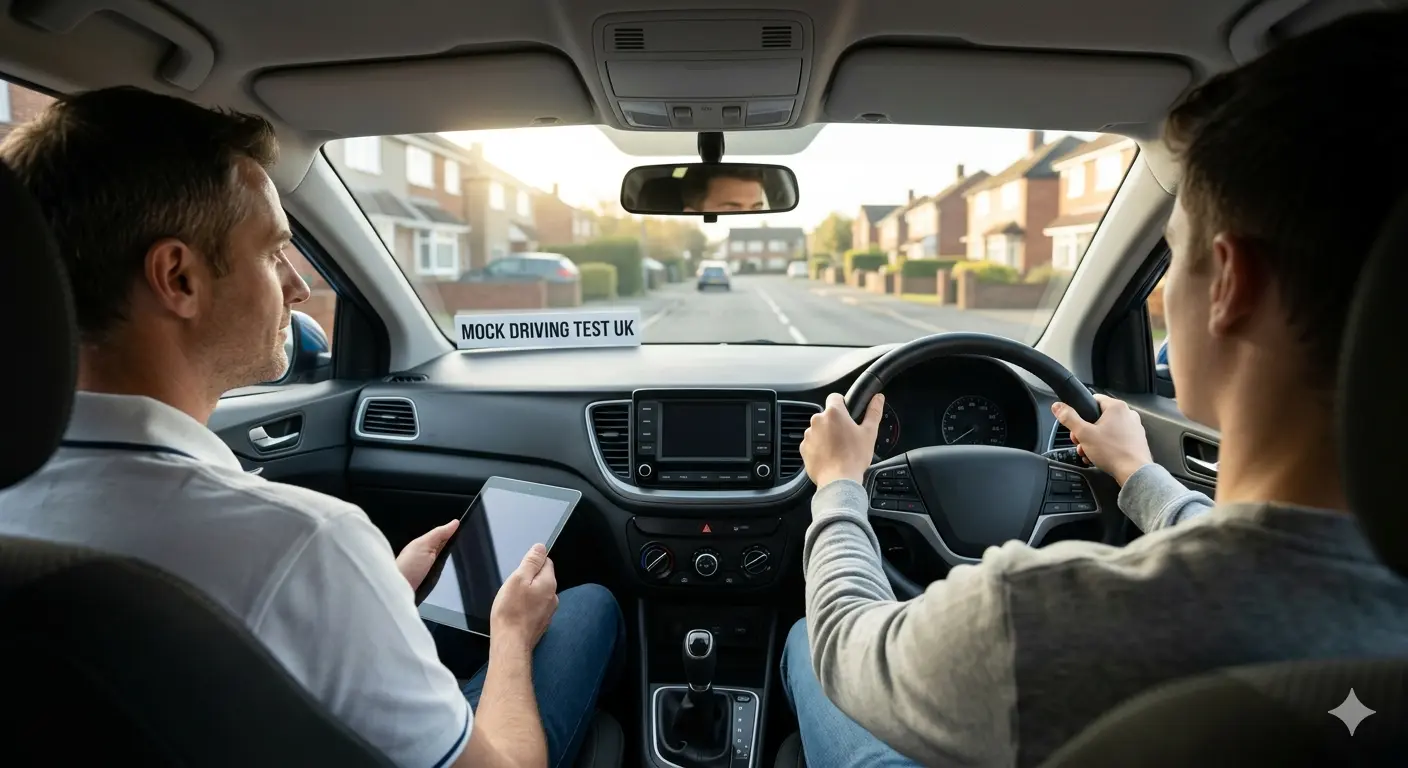
Mock tests help learners adapt to real exam pressure.
How to Prepare for the New Driving Laws 2026 UK
The best way to succeed in 2026 is to focus on becoming a safe, confident, and adaptable driver.
Smart Preparation Tips:
- Take consistent weekly lessons
- Practice in different weather conditions
- Learn motorway basics early
- Improve mirror habits
- Study Highway Code updates regularly
- Use mock driving tests seriously
- Practice hazard perception daily
- Stay calm under pressure
Remember, the goal is not simply to pass the test quickly. The goal is to become fully prepared for independent driving.
Final Thoughts
The new driving laws 2026 UK learners are seeing may sound overwhelming at first, but most changes are actually designed to make driving safer and more realistic for modern roads.
The DVSA is shifting away from robotic learning and focusing more on real-world confidence, awareness, and decision-making.
That’s good news for learners who genuinely want to become safe drivers for life.
If you stay updated, practice consistently, and learn with the right instructor, passing your driving test in 2026 becomes much more achievable.
Driving is not just about getting a licence anymore. It’s about understanding the road, staying alert, and driving responsibly in modern traffic conditions.
And with proper preparation, you’ll be ready for all of it.
FAQs
What are the new driving laws 2026 UK learners should know?
The biggest updates include stricter mobile phone penalties, smarter motorway awareness, eco-driving focus, and updated DVSA test expectations.
Have DVSA driving tests changed in 2026?
Yes. Examiners are focusing more on real-world driving skills, hazard awareness, observation, and confident decision-making.
Are motorway lessons required in 2026?
Motorway driving is not officially mandatory, but many instructors now include motorway practice during lessons because it improves confidence and safety.
Is the theory test harder in 2026?
The structure is similar, but questions now focus more on real-life situations, judgment, and hazard awareness rather than memorisation.
Are automatic driving lessons better in 2026?
Automatic lessons are becoming more popular because they are easier for many learners and match the rise of electric vehicles. However, manual licences still offer more flexibility.
Can learner drivers use mobile phones while driving?
No. Using a handheld mobile phone while driving can result in a £200 fine and 6 penalty points, which may cause new drivers to lose their licence.
How can I pass my driving test faster in 2026?
Consistent lessons, mock tests, motorway awareness, hazard practice, and learning with a structured instructor can help you pass faster and more confidently.