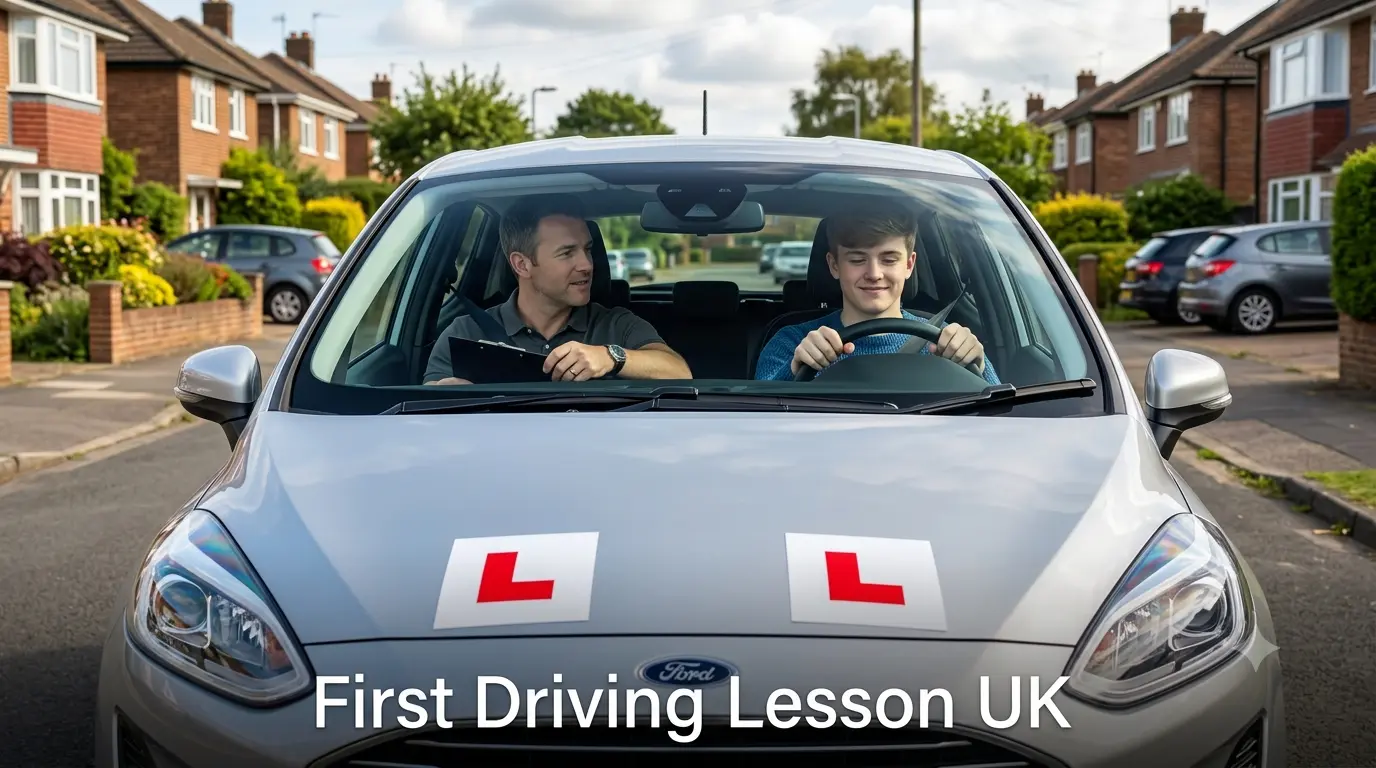
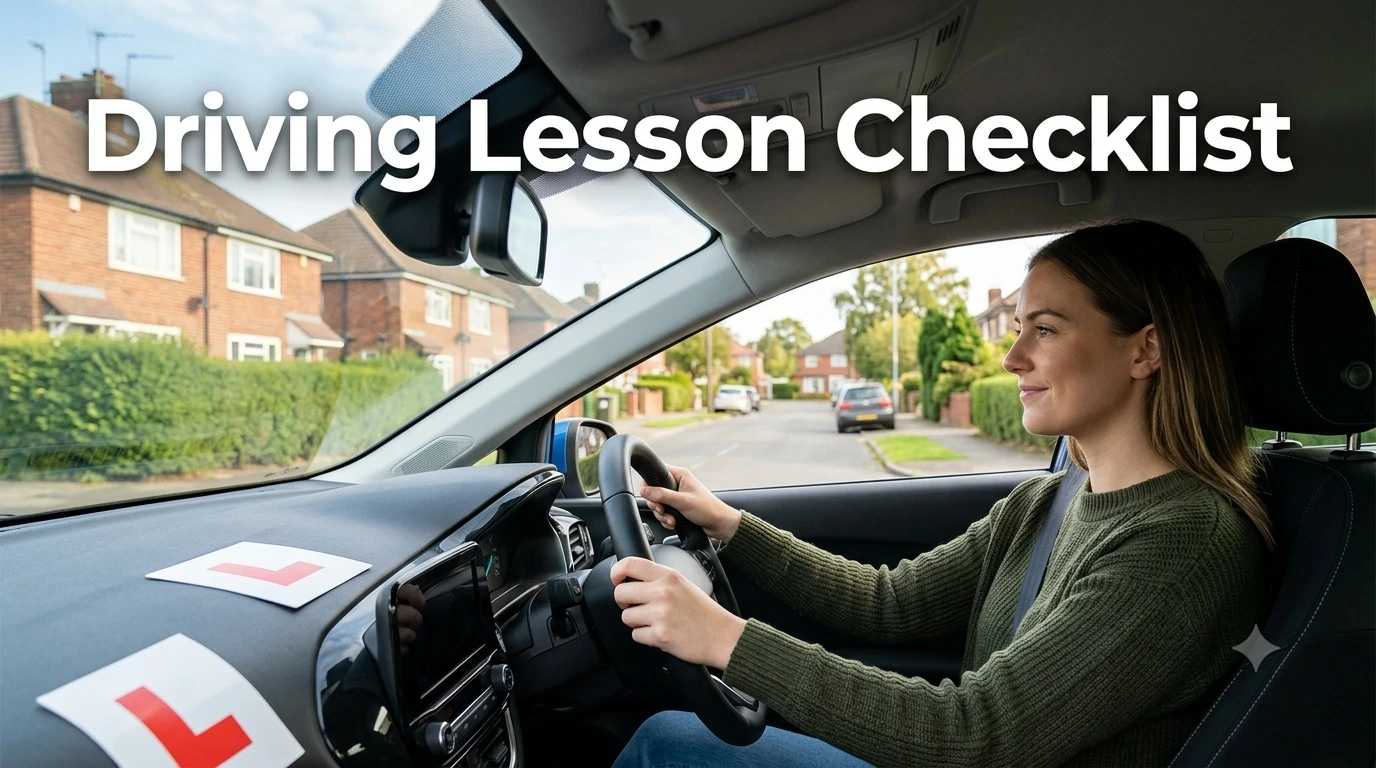
Starting driving lessons can feel exciting and intimidating at the same time. A well-planned driving lesson checklist helps you understand exactly what to expect before your first lesson, reducing stress and helping you focus on learning essential driving skills from day one.
This complete driving lesson checklist will help you understand everything you need before getting behind the wheel. Whether you’re taking your very first lesson or returning after a break, following this checklist can help you learn faster, feel more confident, and make every lesson count.
Table of Contents
- Why a Driving Lesson Checklist Matters
- Driving Lesson Checklist Before Your First Lesson
- What to Bring to Driving Lessons
- Mental Preparation Checklist
- Skills You Will Learn During Early Lessons
- Questions to Ask Your Driving Instructor
- Common Beginner Mistakes to Avoid
- Driving Lesson Checklist Before Your Driving Test
- Final Thoughts
Why a Driving Lesson Checklist Matters
A proper driving lesson checklist helps you arrive prepared, focused, and ready to learn. Many beginners spend their first lesson feeling nervous simply because they don’t know what to expect.
Being organised allows you to focus on developing safe driving habits instead of worrying about paperwork, lesson structure, or basic preparation.
If you’re still deciding when to begin your driving journey, read What age can you start driving lessons in the UK? Complete Beginner Guide for a full explanation of UK learner requirements.
Driving Lesson Checklist Before Your First Lesson
Before your first lesson, make sure you have completed these important steps.
Apply for Your Provisional Licence
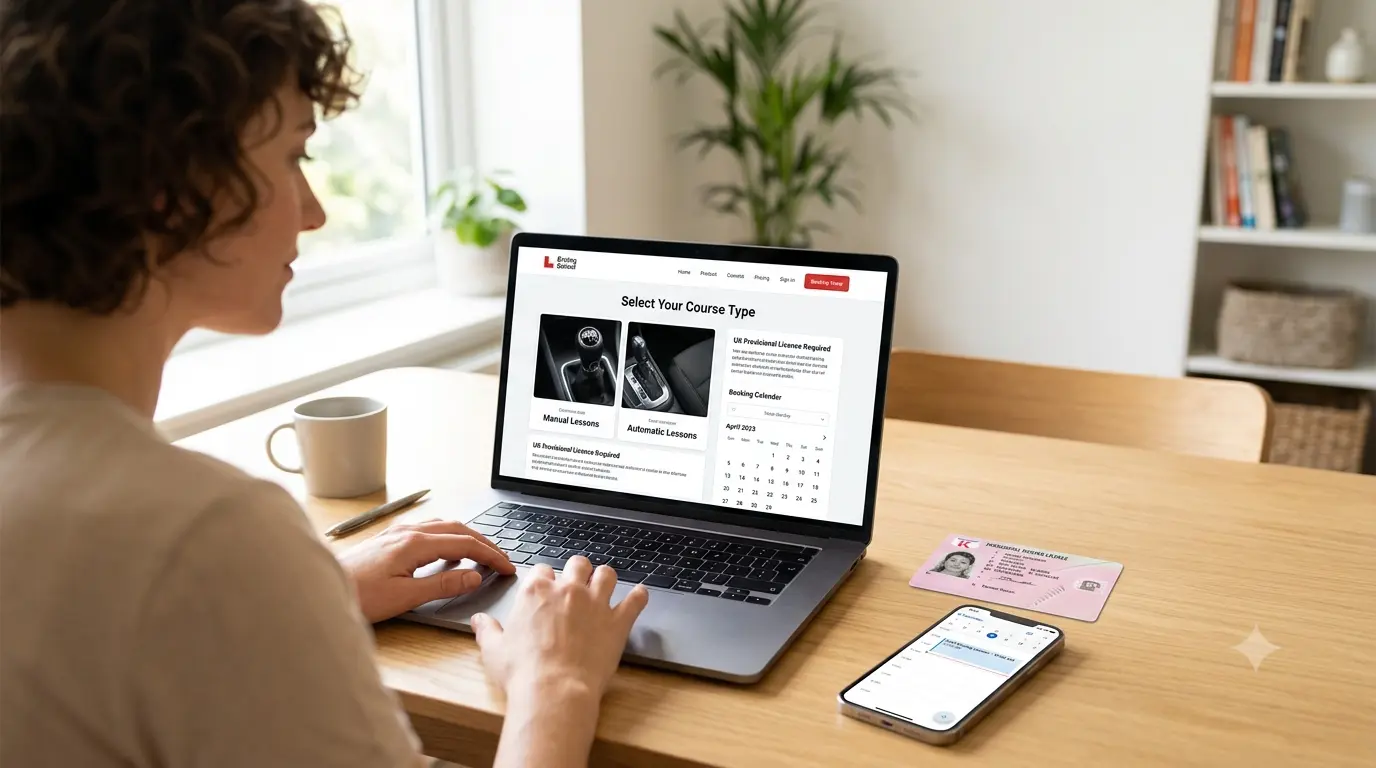
You must hold a valid UK provisional driving licence before taking lessons on public roads. Without it, you cannot legally drive with an instructor. Applying for your provisional licence should be one of the first tasks on your driving journey. Most learners apply online because the process is quicker and easier to manage. Before booking lessons, double-check that all your details are correct and that your licence has been approved. Having your provisional licence ready helps avoid delays and allows you to start learning as soon as you’re prepared.
Choose the Right Driving Instructor
One of the biggest factors that affects your learning experience is the instructor you choose. A professional driving instructor will help you build confidence, correct mistakes early, and develop safe driving habits that stay with you long after passing your test.
A professional instructor should be patient, experienced, and able to adapt lessons to your learning style.
For help choosing wisely, read How to Choose the Right Driving Instructor | 7 Signs and How to Spot a Bad Driving Instructor Before It’s Too Late.
Decide Between Automatic or Manual
One of the first decisions you’ll make is choosing between automatic and manual lessons. Automatic cars are often easier for beginners because there is no clutch control to master, allowing learners to focus more on road awareness and safety. Manual lessons can provide greater flexibility in the future, as a manual licence allows you to drive both manual and automatic vehicles.
The right choice depends on your confidence level, learning preferences, budget, and long-term driving goals. Taking time to understand the differences can help you avoid switching lesson types later in your learning journey.
Learn more in Automatic vs Manual Driving Lessons: Which Is Best for You in 2026?
Understand Lesson Costs
Understanding lesson costs early helps you plan your budget more effectively. Beyond the standard hourly lesson rate, some learners choose block bookings, intensive courses, or additional mock tests as they prepare for their practical exam. Knowing what to expect financially can help you stay committed to regular lessons without unexpected costs affecting your progress. You can compare current prices in How Much Do Driving Lessons Cost in the UK? and How Much Are Automatic Driving Lessons in the UK? (2026 Guide).
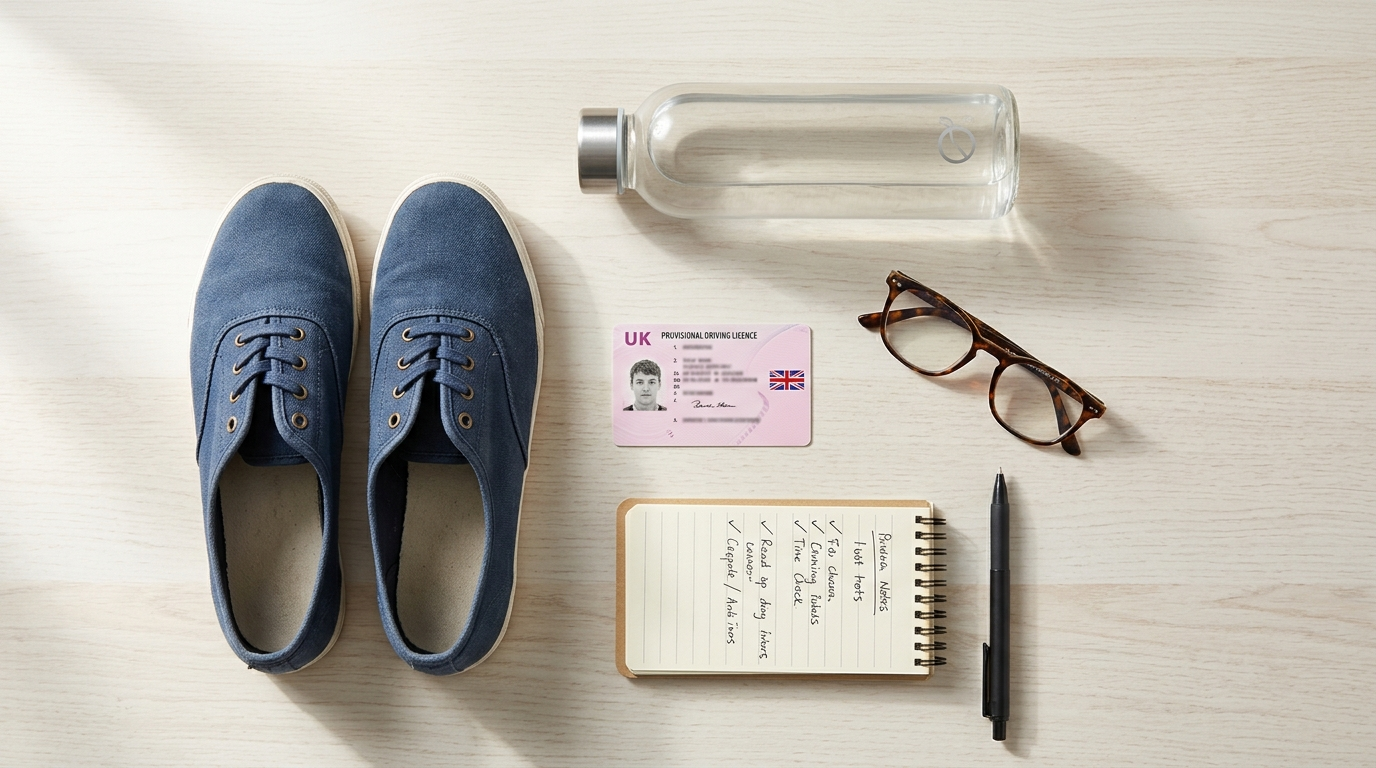
What to Bring: Your Driving Lesson Checklist Essentials
Every learner should arrive prepared with the following items.
Provisional Driving Licence
Always bring your licence if your instructor requests it.
Many instructors verify learner details before the first lesson.
Comfortable Footwear
Wear flat shoes with thin soles.
Bulky trainers, high heels, or heavy boots can reduce pedal control and make learning harder.
Glasses or Contact Lenses
If you normally wear glasses or contact lenses, make sure you bring them to every lesson. Clear vision is essential for reading road signs, spotting hazards, and maintaining safe observation. Failing the required eyesight check could prevent you from continuing your lesson or taking your driving test.
Water and Weather-Appropriate Clothing
Driving requires concentration for extended periods, particularly during longer lessons. Bringing water helps you stay comfortable and focused, while appropriate clothing ensures you can move freely and operate the controls comfortably. During colder months, avoid bulky jackets that may restrict movement behind the wheel.
Positive Attitude
Perhaps the most important item on any driving lesson checklist is the willingness to learn and accept feedback.
Mistakes are part of the learning process.
Mental Preparation Checklist
Many learner drivers underestimate the importance of mindset.
Accept That Mistakes Are Normal
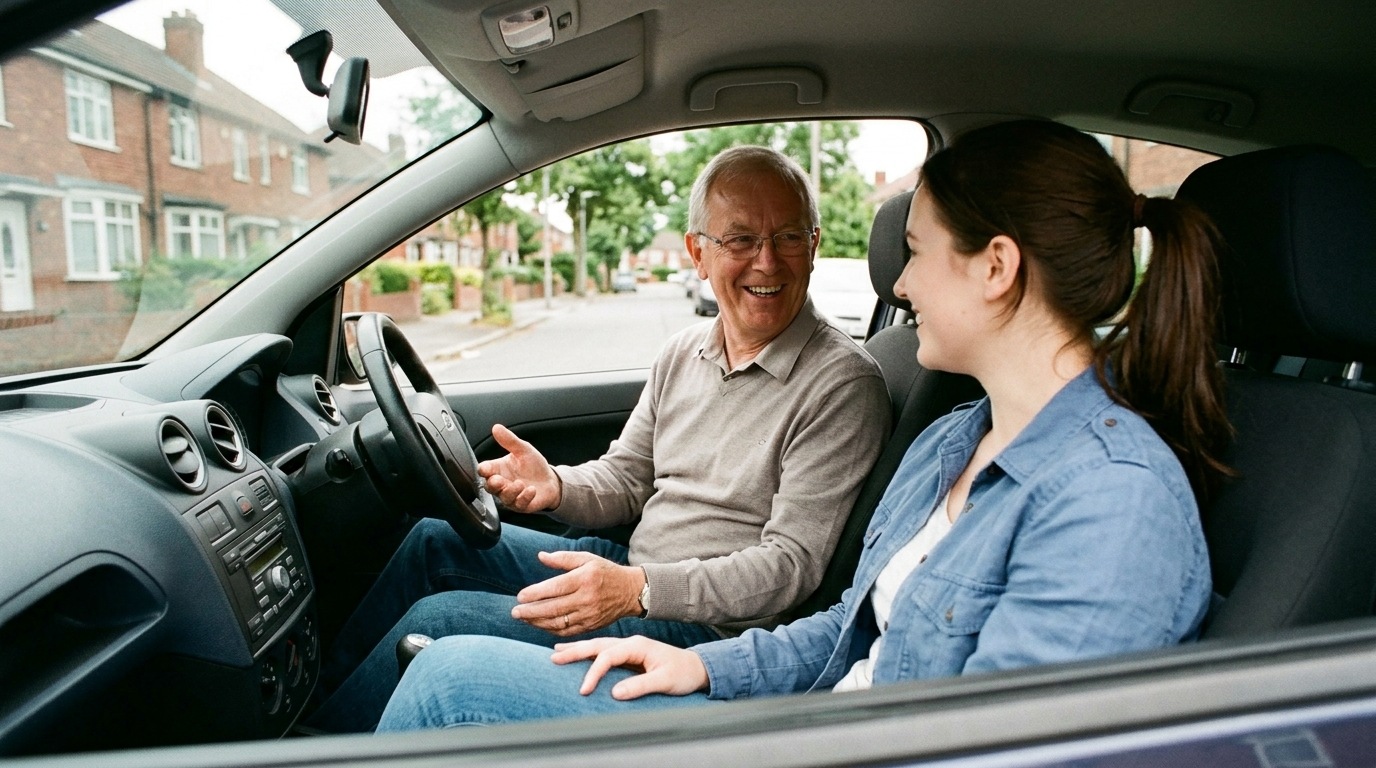
Every learner makes mistakes during the early stages of learning to drive. Stalling, forgetting mirror checks, or struggling with steering control are all common experiences. Treat mistakes as learning opportunities rather than failures, and focus on understanding how to improve with each lesson.
Manage Driving Anxiety
Feeling nervous is completely normal.
If anxiety is affecting your confidence, read Driving Anxiety is Real: 7 Effective Learner Tips That Actually Help.
Focus on Progress, Not Perfection
Learning to drive is a gradual process that develops through practice and repetition. Some skills may feel difficult at first, while others become comfortable very quickly. Rather than expecting perfection, focus on becoming slightly better with each lesson and building confidence over time.
Stay Open to Feedback
Driving instructors provide feedback to help you improve, not to criticise your ability. Listening carefully and applying corrections during future lessons can significantly speed up your progress. Learners who actively engage with feedback often develop safer driving habits and become test-ready sooner.
Skills You’ll Learn During Your First Driving Lessons
Your instructor won’t expect you to know everything immediately. A beginner-friendly driving lesson checklist should include understanding the skills you’ll likely learn early on.
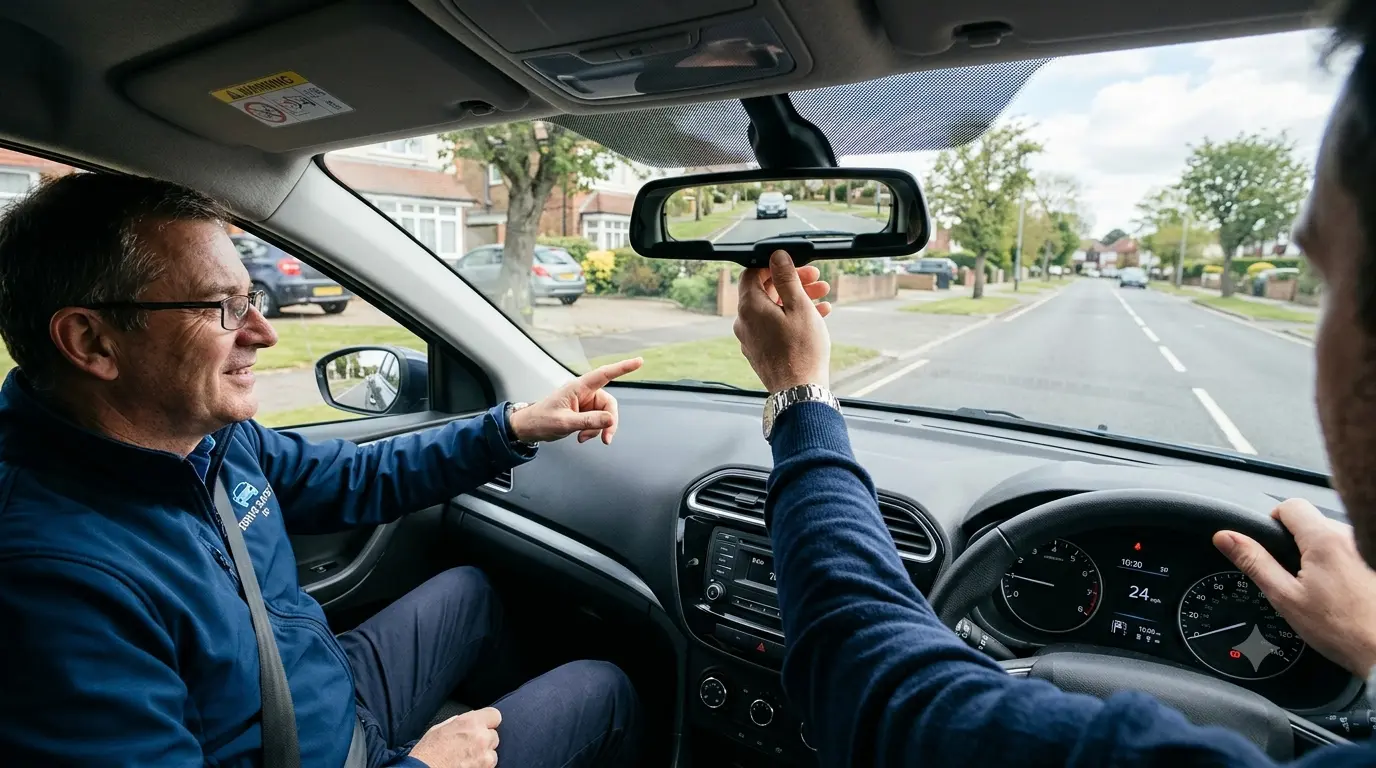
Cockpit Drill
You’ll learn how to adjust:
- Seat position
- Mirrors
- Steering wheel
- Seatbelt
Proper setup creates comfort and control.
Moving Off and Stopping
One of the first practical skills involves moving away safely and stopping under control.
You’ll learn observation routines and vehicle control techniques.
Steering Control
Smooth steering helps maintain lane position and vehicle stability.
Your instructor will guide you through steering techniques during quiet-road practice.
Mirror Checks
Mirror checks are one of the most important habits you’ll develop throughout your driving lessons. Regular use of mirrors helps you stay aware of surrounding traffic, anticipate hazards, and make safer decisions. As your training progresses, mirror use will become a natural part of every manoeuvre, junction approach, and lane chan
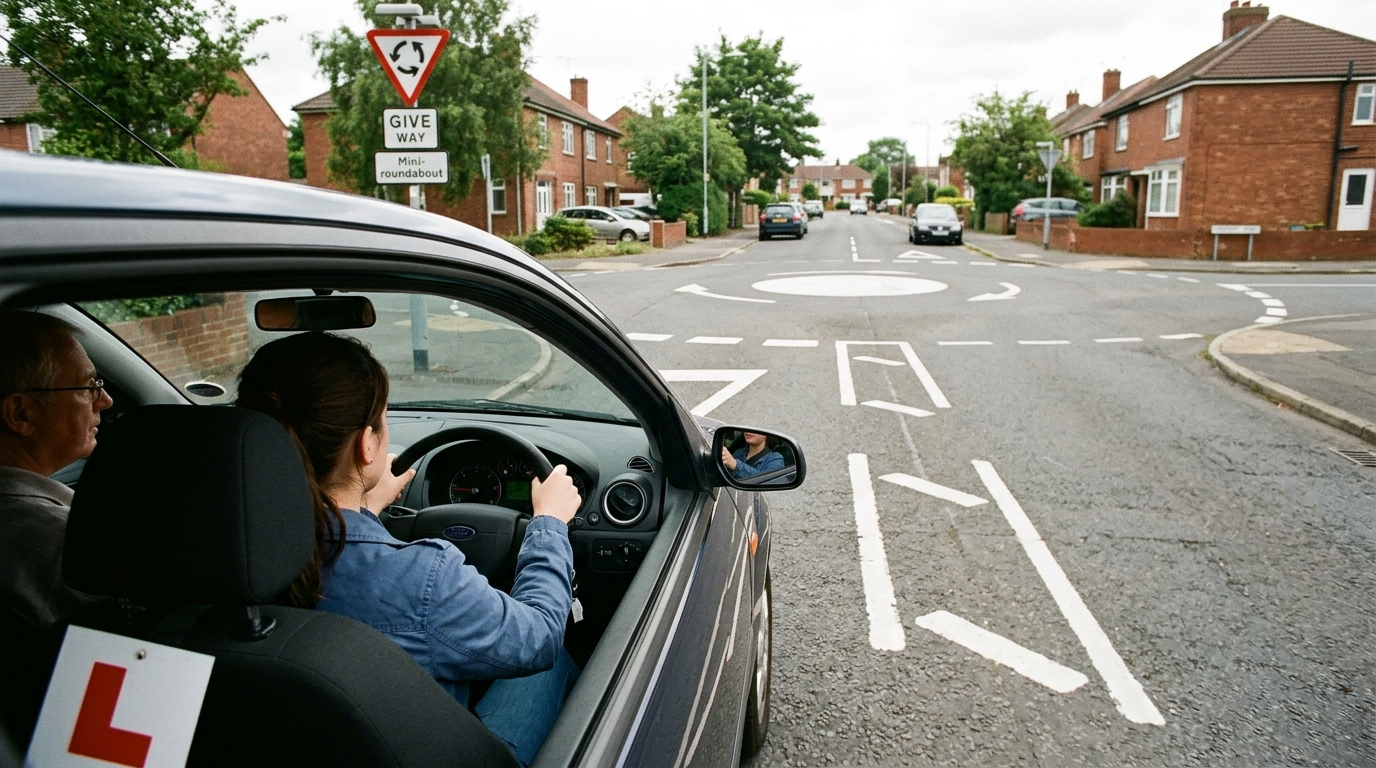
Basic Junctions and Road Positioning
As confidence improves, you’ll begin approaching simple junctions while learning correct road positioning.
Questions to Ask Your Driving Instructor
A useful driving lesson checklist includes preparing questions that help you learn faster. Asking questions during lessons helps you understand your progress and identify areas that need improvement. A good instructor will encourage discussion and explain concepts clearly. Preparing a few questions in advance can help you get more value from every lesson and accelerate your learning.
Consider asking:
- How many lessons do most learners need?
- What skills should I practise between lessons?
- How will my progress be tracked?
- When should I start preparing for the theory test?
- What areas need the most improvement?
If you’re wondering about lesson numbers, see How Many Driving Lessons Do You Need in the UK?
Common Beginner Mistakes to Avoid
Many learners make the same mistakes during their early lessons.
Looking Directly Ahead Only
Many beginners focus only on the road directly in front of them and forget to monitor their surroundings. Safe driving requires continuous observation of mirrors, road signs, pedestrians, cyclists, and other vehicles. Developing strong observation habits early can improve safety and help prevent common driving test faults.
Rushing Decisions
New drivers sometimes feel pressured to make quick decisions, especially at busy junctions or roundabouts. However, taking an extra moment to assess the situation is often safer than acting too quickly. Confidence develops naturally through experience, so avoid rushing and focus on making controlled, well-informed decisions.
Ignoring Defensive Driving Principles
Learning isn’t just about passing the test.
It’s about becoming a safe driver for life.
Read 6 Ways to Practice Defensive Driving Before You Even Pass Your Test and 10 Defensive Driving Techniques for New Drivers to develop safer habits from day one.
Comparing Yourself to Others
Every learner progresses at a different pace based on experience, confidence, lesson frequency, and individual learning style. Some people become test-ready quickly, while others require additional practice. Comparing yourself to others can create unnecessary pressure and distract you from your own improvement.
Driving Lesson Checklist Before Your Driving Test
As your test approaches, your preparation becomes more focused.
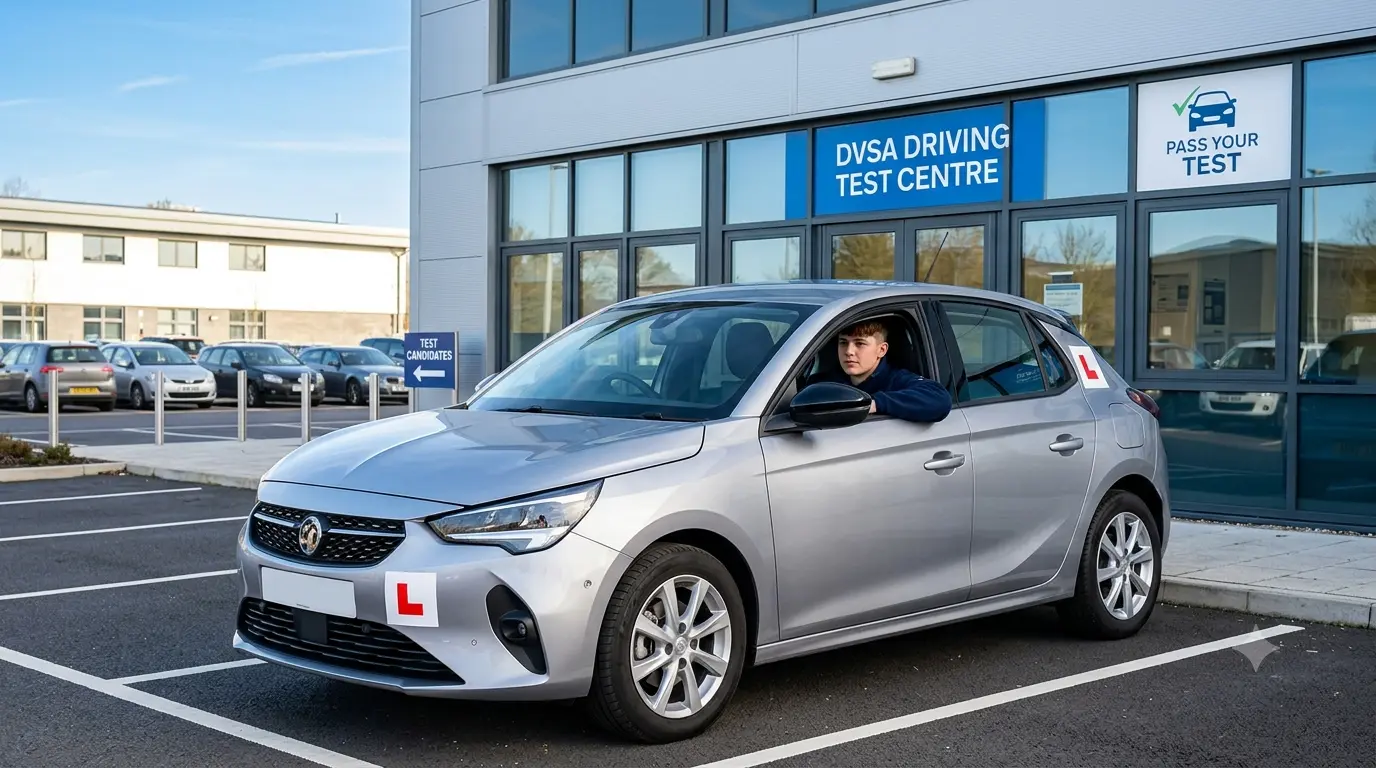
Pass Your Theory Test
The theory test forms an essential part of the learning process and provides the knowledge needed for safe driving. Preparing early can reduce stress and improve your chances of passing on the first attempt. Consistent revision of road signs, hazard perception, and Highway Code rules will support both your theory and practical driving progress. The guide How to Pass Theory Test First Time: 12 Proven DVSA Tips That Actually Work can help you prepare effectively.
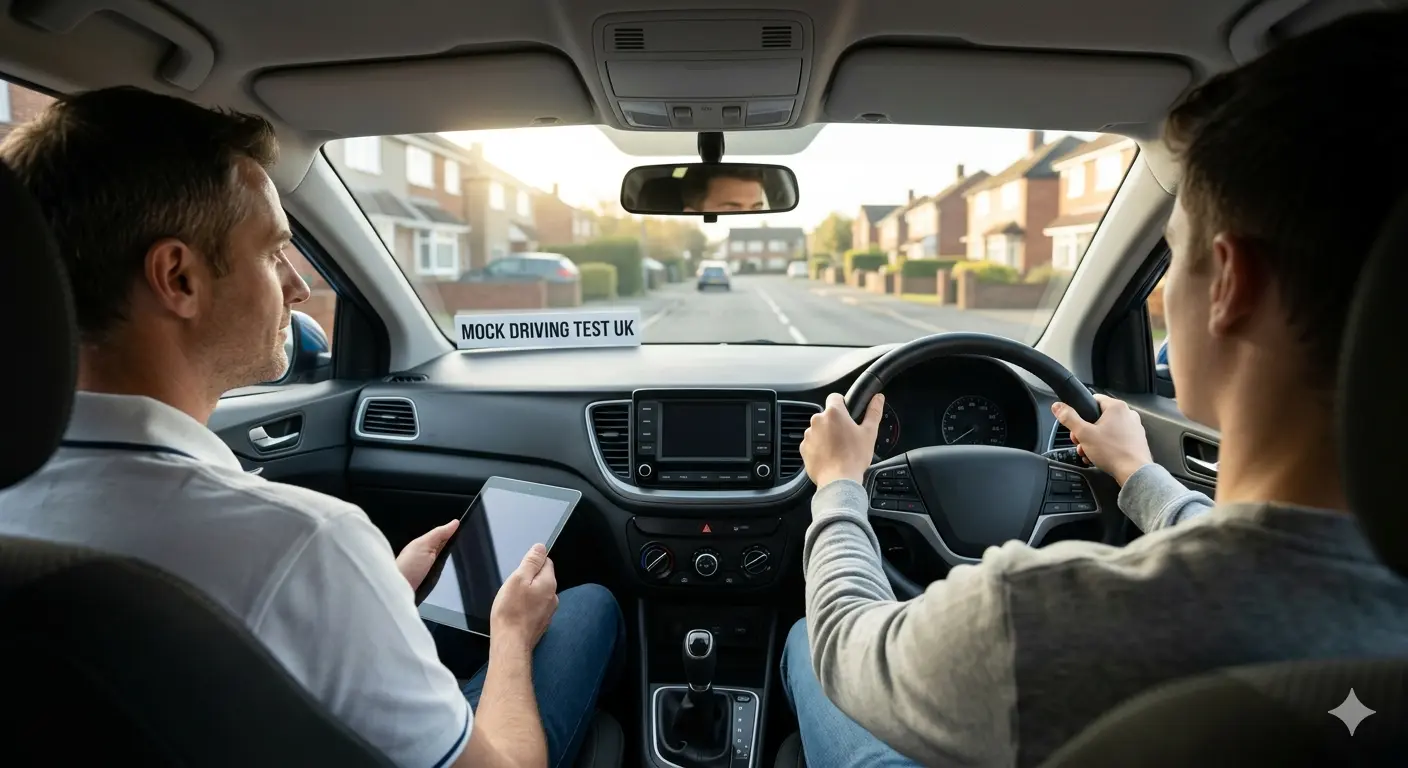
Take a Mock Driving Test
A mock test helps identify weaknesses before the real exam.
Many learners find that test simulations significantly boost confidence.
Read Mock Driving Test UK: 9 Proven Benefits Before Your Real Driving Test to understand why they’re so valuable.
Understand Current DVSA Rules
Driving test procedures occasionally change.
Stay informed by reading UK Driving Test Overhaul: What Learners Need to Know About the New Changes and New Driving Laws 2026 UK: DVSA Updates Explained.
Review Common Test Failures
Knowing why learners fail can help you avoid costly mistakes.
Check out Top 10 Reasons People Fail Driving Test – (And How You Won’t) before your practical exam.
Plan Your Test Booking Strategy
Practical driving test waiting times can vary significantly depending on location and demand. Planning your booking strategy early gives you more flexibility and reduces the risk of long delays when you’re ready to take your test. Discuss potential booking timelines with your instructor so your preparation and test date remain aligned.
You can learn more in Booking Your Test Early vs. Fast-Tracked Tests: Which One’s Smarter?
Quick Driving Lesson Checklist Summary
Before every lesson, make sure you:
- Bring your provisional licence
- Wear suitable footwear
- Bring glasses if required
- Arrive well rested
- Stay hydrated
- Review previous feedback
- Practise positive mindset habits
- Prepare questions for your instructor
- Focus on safety rather than perfection
Following this driving lesson checklist consistently can help you progress faster and build confidence behind the wheel.
Final Thoughts
A well-prepared learner usually becomes a confident driver much sooner. This driving lesson checklist is designed to help beginners avoid common mistakes, reduce anxiety, and get the maximum value from every lesson.
Remember, learning to drive isn’t about being perfect from day one. It’s about building skills step by step with the right preparation, guidance, and mindset.
If you’re just beginning your journey, take your time, trust the process, and use this driving lesson checklist before every lesson to stay organised, focused, and ready to succeed.