Quick Answer:
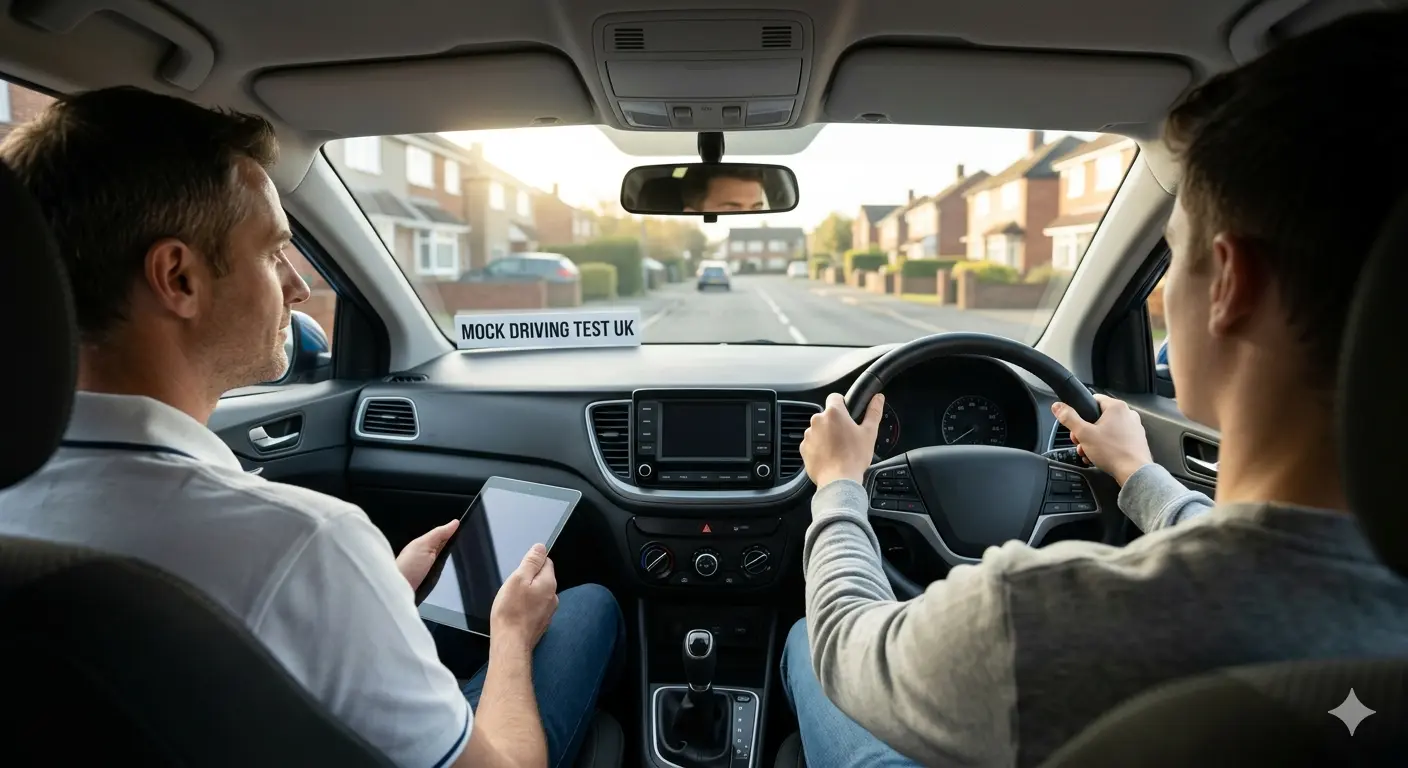
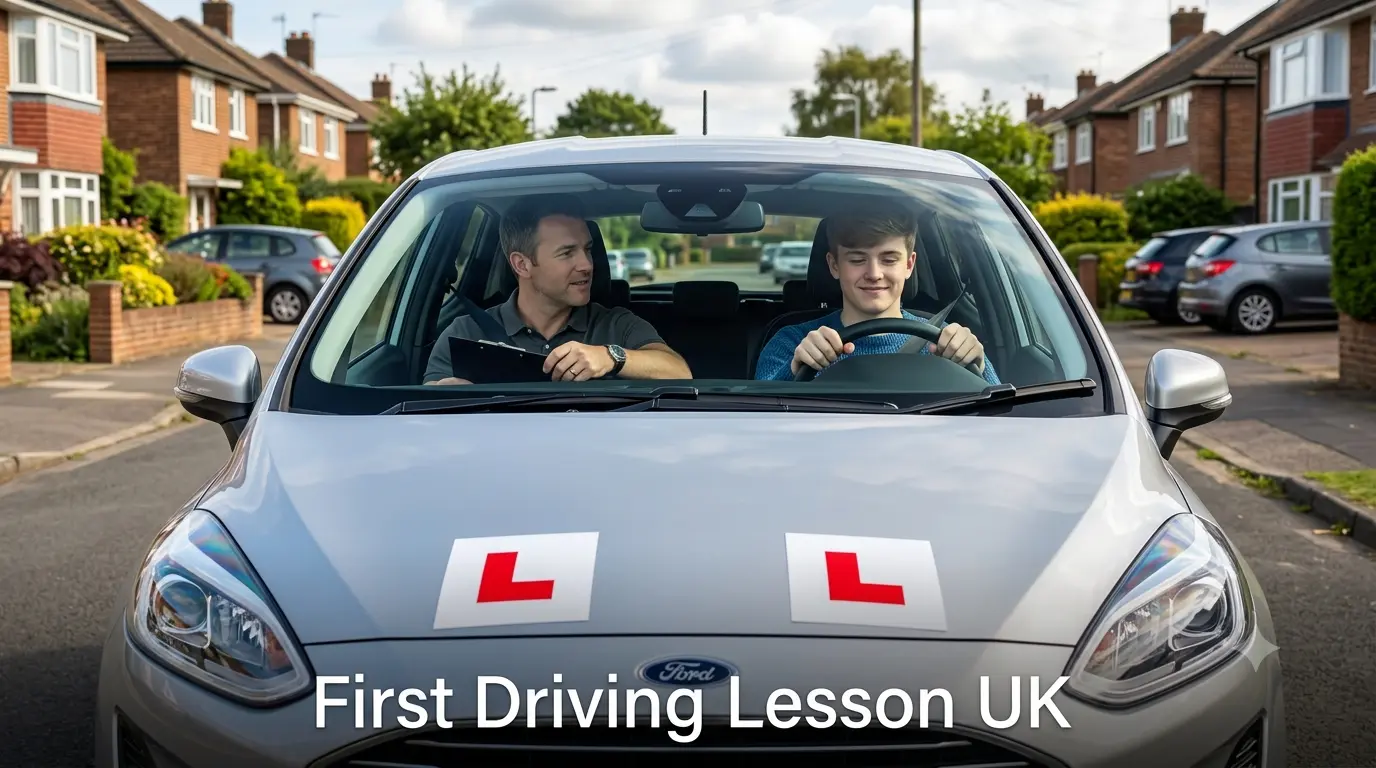
Your first driving lesson UK instructors run usually lasts one to two hours and starts well before the engine goes on. You’ll cover the cockpit drill (seat, mirrors, seatbelt), the controls, and moving off and stopping, almost always in a quiet residential road or car park rather than a busy main road. Most learners are steering the car themselves within the first half hour.
Starting lessons is one of those milestones that feels bigger in your head than it turns out to be. You’ve probably pictured roundabouts, gear changes, and an instructor tutting from the passenger seat. In reality, your first driving lesson is deliberately gentle, and it’s built around getting you comfortable, not testing you.
This guide walks through exactly what to expect, from the moment your instructor knocks on the door to the debrief at the end, so you can walk in prepared instead of guessing.
What Do You Need Before Your First Driving Lesson UK?
Before anything else, your instructor needs to see your provisional driving licence. This isn’t optional; it’s a legal requirement, and a good instructor will always check it before you get anywhere near the driver’s seat.
If you haven’t applied yet, you can do it directly through GOV.UK . It usually takes about a week if you apply online with a valid passport.
Beyond your licence, there isn’t much to organise. A few practical basics make a real difference though:
- Your provisional licence (photocard, not a paper counterpart)
- Glasses or contact lenses, if you need them to read a number plate at 20 metres
- Flat, comfortable shoes rather than boots, sliders, or high heels
- A bottle of water and, if it’s cold, a coat you can still move your arms in
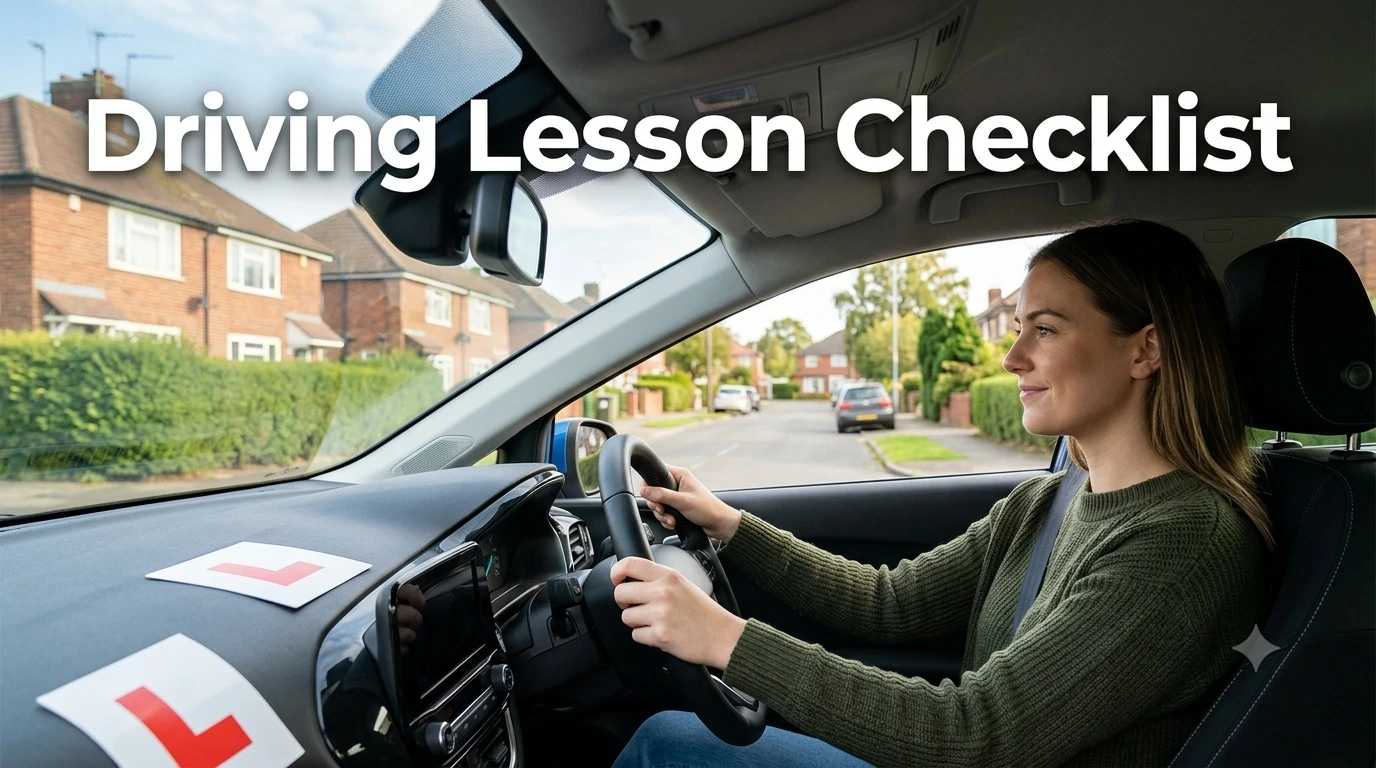
There’s no need to revise the Highway Code cover to cover before lesson one. Your instructor isn’t expecting theory knowledge yet; that comes with time, alongside your Driving Lesson Checklist: 15 Essential Things Every Beginner Must Know, which covers everything else worth sorting in your first few weeks.
What Happens on Your First Driving Lesson?
This is the part most beginners search for, and understandably so. Here’s what happens on your first driving lesson, step by step.
Before the engine starts
Your instructor will introduce themselves, check your licence, and ask a few quick questions about your experience, whether that’s zero hours or a bit of practice with family. Then comes the cockpit drill: adjusting your seat, mirrors, and seatbelt so you can reach every control comfortably and see clearly in every direction.
They’ll talk you through the main controls: accelerator, brake, clutch (if you’re learning manual), and the gear stick or drive selector for automatics. None of this needs memorising on the spot; it’s simply so you recognise what’s under your hands and feet.
Behind the wheel
Once you’re set up, most instructors drive you to a quiet residential street or an empty car park to begin. From there, a typical beginner driving lesson covers:
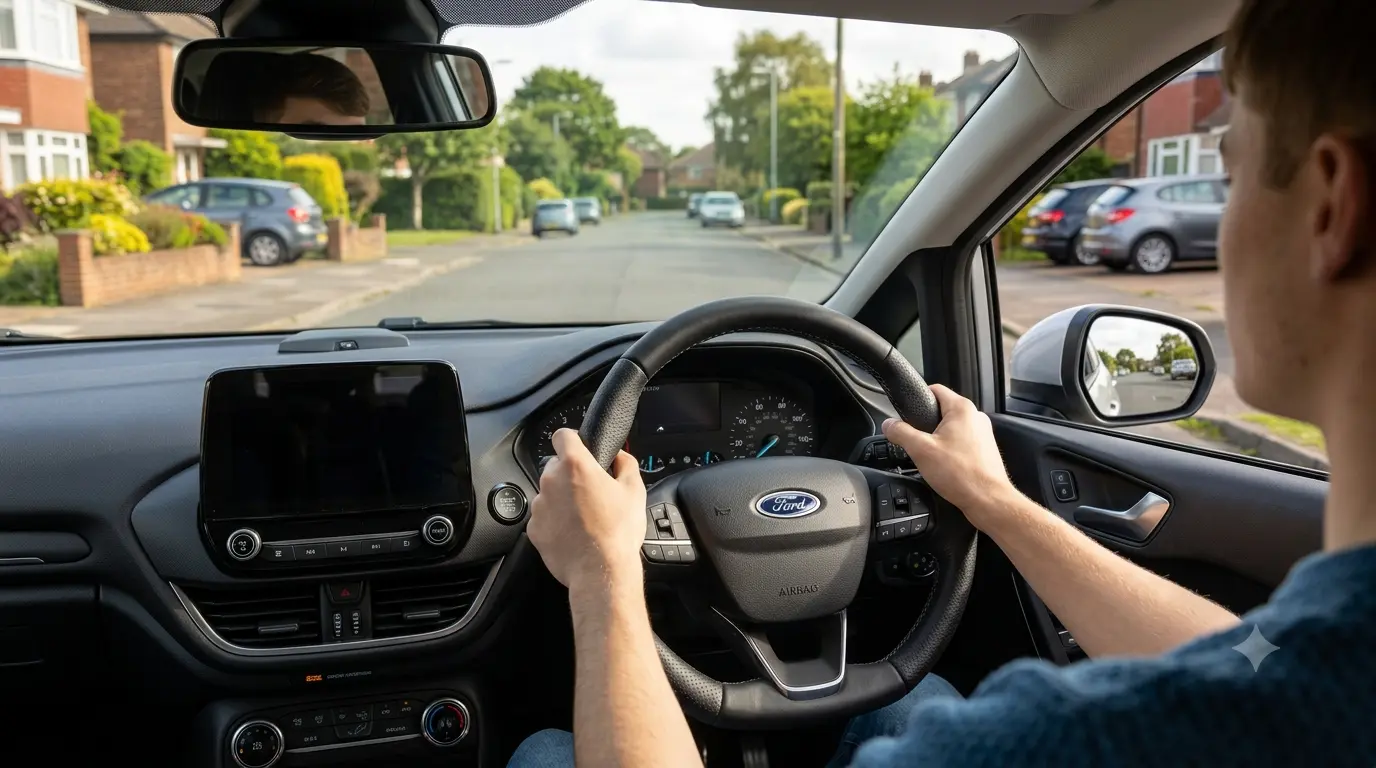
- Moving off safely, using the “mirror, signal, manoeuvre” routine
- Steering smoothly with a relaxed grip
- Bringing the car to a controlled stop
- Basic clutch control if you’re driving manual
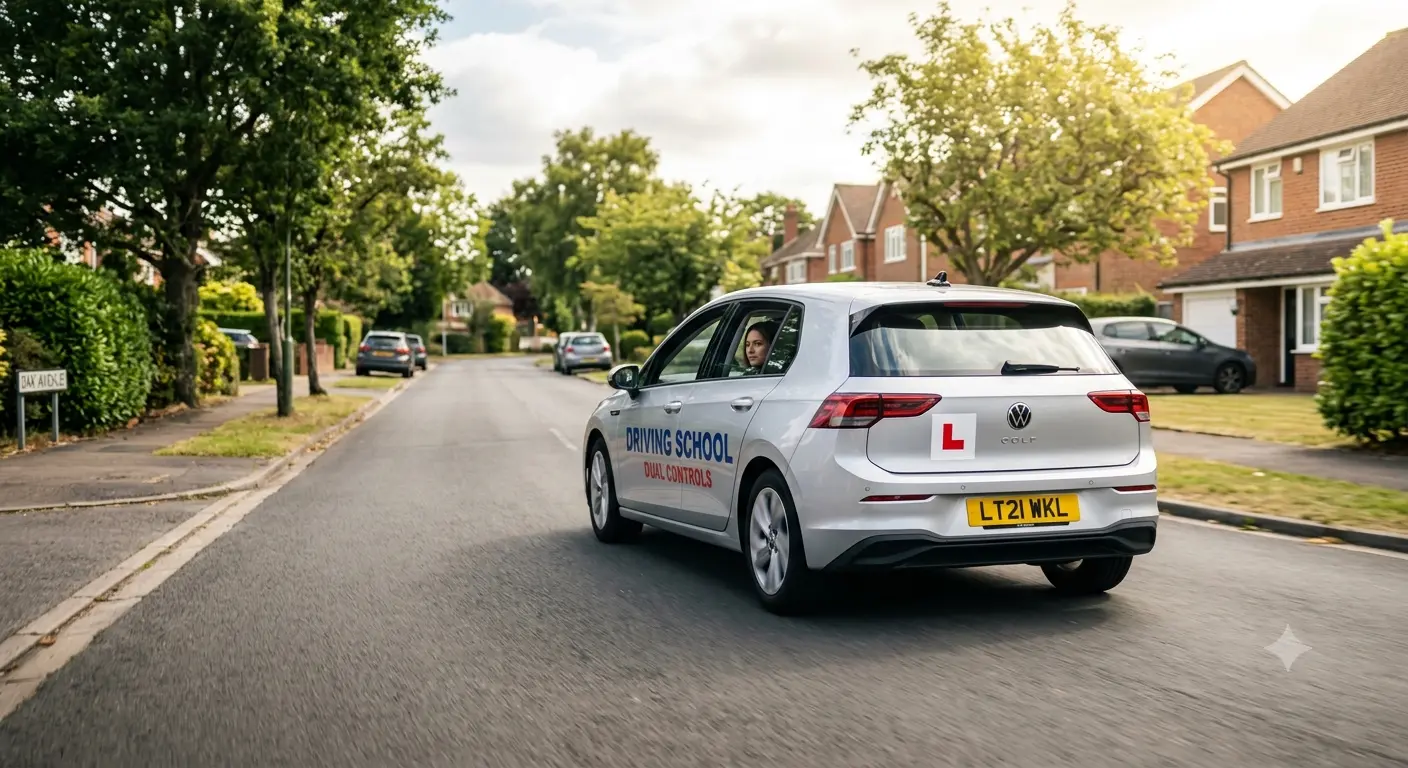
Your instructor uses dual controls, so there’s always a safety net if something goes wrong. Their job in lesson one is simply to build your confidence with the absolute basics before layering anything else on top.
By the end, most learners have moved off and stopped several times on their own, and some manage a gentle left or right turn too, depending on how quickly things click.
How Long Does a First Driving Lesson Last?
Most first driving lessons in the UK run for one to two hours. An hour is common for a taster session, while many schools recommend two hours from the start, since it gives you time to settle in before the practical driving even begins.
Longer lessons also mean less time is “wasted” on travelling to a suitable practice area, so more of your paid time is spent actually behind the wheel.
Is It Normal to Feel Nervous Before a First Driving Lesson?
Completely. Nerves before a first driving lesson are one of the most common feelings instructors deal with, and it doesn’t put you behind in any way. A calm, patient instructor will notice this and adjust their pace accordingly rather than rushing you into anything.
If nerves are a bigger issue for you than most, our piece on Driving Anxiety is Real: 7 Effective Learner Tips That Actually Help goes into practical ways to settle your mind before you even get in the car.
A few things that genuinely help on the day:
- Eating something light beforehand, so low blood sugar isn’t adding to the jitters
- Arriving a few minutes early rather than rushing straight from somewhere stressful
- Reminding yourself that instructors expect beginners to be beginners
What Happens After Your First Lesson?
Towards the end of the hour, your instructor will pull over somewhere safe for a short debrief. This is where they’ll talk through what went well, what to focus on next time, and often note it down in a learning log or record card so progress is easy to track.
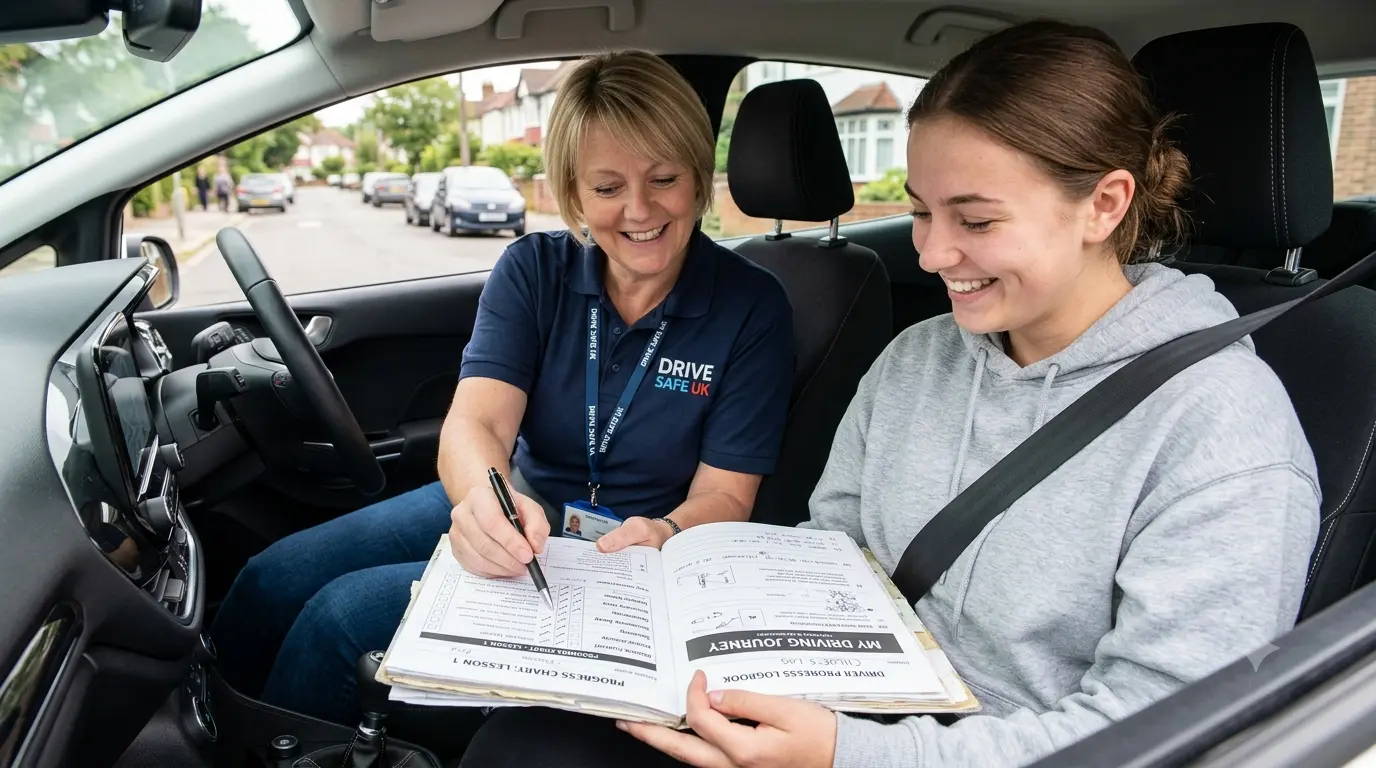
According to DVSA guidance, learning to drive is a step-by-step process, and this record helps make sure nothing gets missed as your lessons build in difficulty.
Don’t expect a formal test of any kind. This is feedback, not a grade, and it’s there to shape what lesson two looks like.
How Many Lessons Will You Need After This One?
There’s no single number that fits everyone, but DVSA figures suggest the average learner needs around 45 hours of professional tuition plus additional private practice to reach test standard. Some people get there faster, others need longer, and neither is a reflection of how well your first lesson went.
If you’re weighing up your options for booking test dates once you’re closer to ready, our guide to the Driving Test Cancellation Checker is worth bookmarking for when that day comes around.
For now, the only thing that matters after your first driving lesson UK style is whether you left feeling a bit more confident than when you arrived. Everything else builds from there.
FAQs
Do I need to know anything before my first driving lesson?
No. Instructors assume zero experience and start from the very basics, including how to sit, adjust mirrors, and hold the wheel. There’s nothing you need to revise beforehand.
Will I actually drive on my first lesson?
In most cases, yes. Once your instructor has checked your licence and gone through the controls, you’ll usually be driving within the first 20 to 30 minutes, typically in a quiet, low-traffic area.
What should I wear for a first driving lesson?
Comfortable, flat shoes are the main thing to get right, since bulky boots or heels make it harder to feel the pedals accurately. Ordinary, non-restrictive clothing is fine.
Can I use my own car for my first lesson?
Yes, as long as it’s taxed, insured for a learner driver, has valid L plates displayed front and back, and is roadworthy. Many beginners prefer to start in their instructor’s dual-control car instead.
Is one hour enough for a first driving lesson?
It’s enough to cover the basics, but two hours is often recommended so you’re not rushed and less time is spent travelling to a suitable practice spot.
How do I book my first driving lesson?
Most driving schools let you book online, by phone, or through a booking app once you have your provisional licence. Many offer an introductory or block-booking rate for new learners.