Quick Answer:
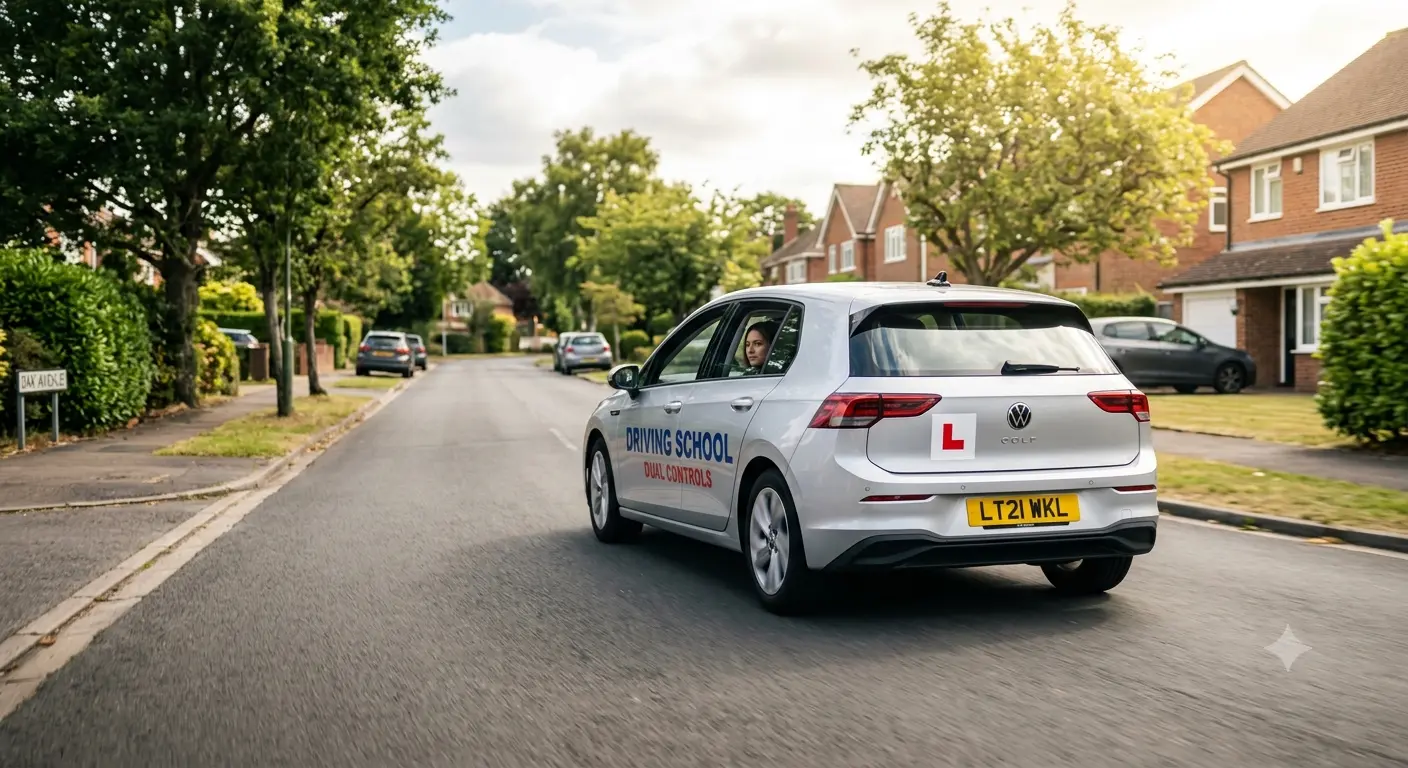
The best time to take a driving test is generally mid-morning (around 9:30 am–11 am) on a Tuesday, Wednesday, or Thursday. Roads are calmer after rush hour, but before the school run and lunchtime traffic, examiners tend to be fresher earlier in the day, and midweek slots avoid the busy weekend rush that many learners choose instead.
That single fact won’t win you the test on its own though. Below, we’ll break down exactly why timing matters, compare the morning vs afternoon driving test debate with real reasoning, and walk through the easiest driving test times by day, season, and even weather so you can book a slot that actually works in your favour.
Table of Contents
- Why the Best Time to Take a Driving Test Actually Matters
- Morning vs Afternoon Driving Test: Which Wins?
- Easiest Driving Test Times by Day of the Week
- Best Time of Year to Sit Your Test
- Weather, Traffic and Test Centre Factors to Consider
- Common Timing Mistakes Beginner Drivers Make
- How to Book the Best Time to Take a Driving Test
- FAQs
- Final Thoughts
Why the Best Time to Take a Driving Test Actually Matters
Many learners assume that pass rates only come down to skill behind the wheel. In reality, timing plays a bigger role than most people realise. The best time to take a driving test affects how much traffic you’ll face, how alert your examiner is, and even how calm you’ll feel walking into the test centre.
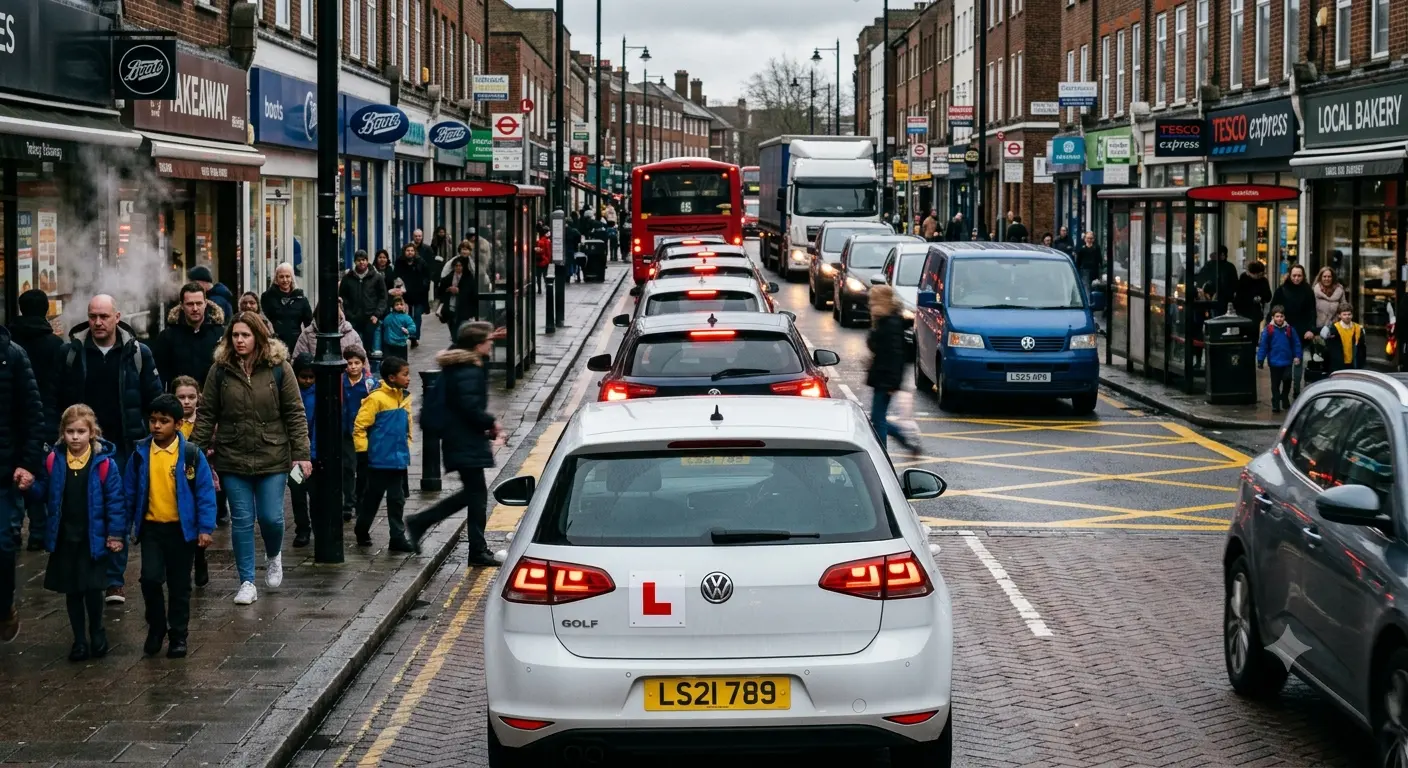
Test centres in busy towns and cities get congested fast once schools open and commuters head to work. A slot booked into that window means more roundabouts, more pedestrian crossings, and more pressure none of which helps a nervous learner. Choosing a quieter window instead gives you cleaner roads to demonstrate your skills without unnecessary distractions.
This is also why timing is closely tied to how you prepare beforehand. If you’ve been working through a Driving Lesson Checklist: 15 Essential Things Every Beginner Must Know, you’ll already know that route familiarity and traffic patterns are just as important as manoeuvres and mirror checks.
Morning vs Afternoon Driving Test: Which Wins?
The morning vs afternoon driving test debate comes up constantly in learner forums, and there’s a genuine case for both but morning tends to edge ahead for most beginners.
Morning tests (roughly 9:30am–11:30am)
- Roads are past the peak school-run and commuter rush
- Examiners are generally fresher and less fatigued
- You avoid lunchtime traffic building up around town centres
- Less chance of your test overrunning into a rushed, delayed slot
Afternoon tests (roughly 1 pm–3 pm)
- Can suit learners who feel groggy or slow to warm up early in the day
- Avoids the early morning rush entirely
- Risk of hitting the 3 pm–4 pm school pick-up traffic if your slot runs late
If you’re naturally a “morning person” and roads near you get hectic after 3 pm, morning wins comfortably. If early starts leave you anxious and unfocused, a mid-morning to early-afternoon slot might suit your concentration better. Either way, avoid the very first slot of the day (roads can still be busy with commuters) and the very last slot (rush hour creeps in and fatigue sets in for both you and the examiner).
Easiest Driving Test Times by Day of the Week
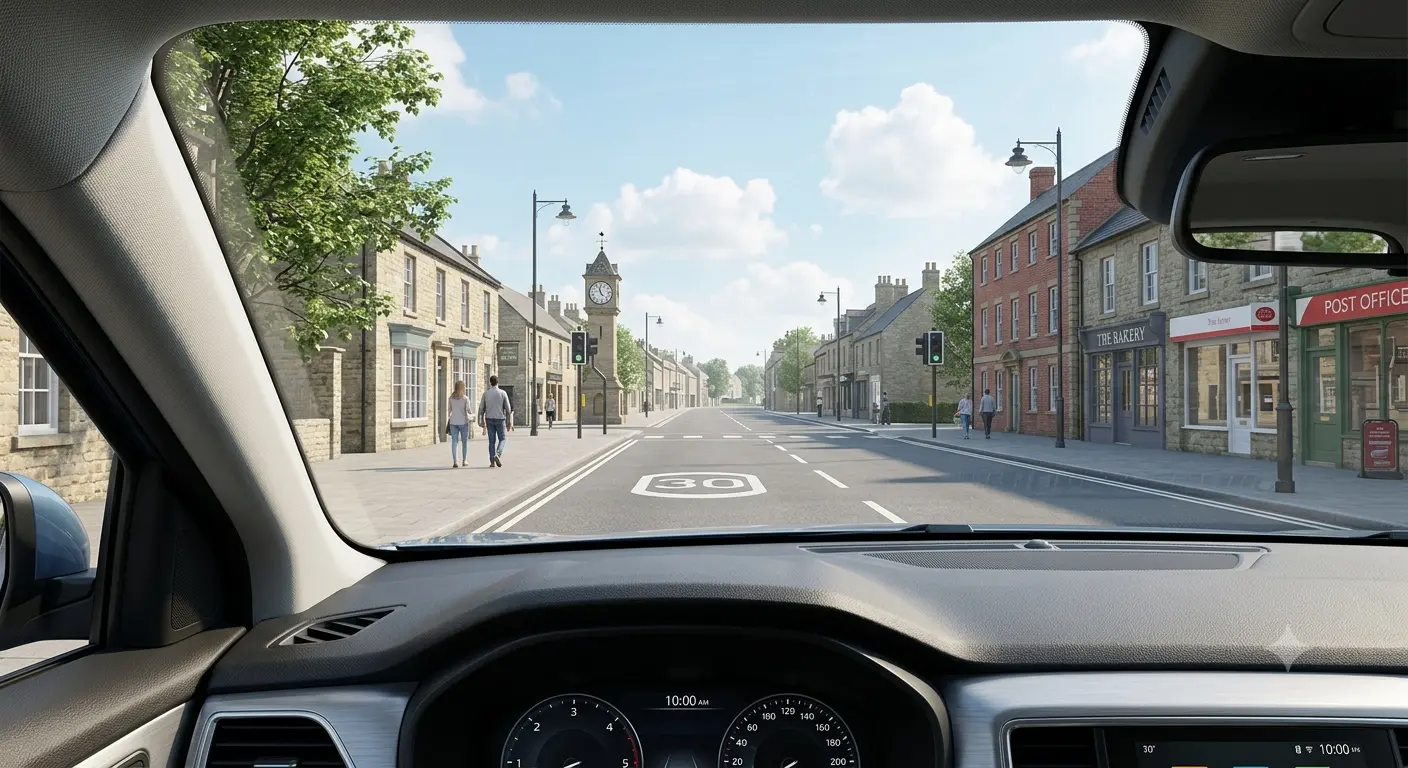
When people search for the easiest driving test times, they’re usually asking which day gives the best odds, not just which hour. Tuesday, Wednesday, and Thursday are widely considered the calmest days at most UK test centres.
Mondays can be unpredictable because test centres are catching up after the weekend, and cancellations from Friday sometimes get squeezed in, creating a busier schedule. Fridays carry their own risk too, since traffic often builds earlier in the afternoon as people leave work ahead of the weekend.
Weekend testing, where available, might feel convenient for your schedule, but it usually means:
- Heavier leisure and shopping traffic around retail parks
- Families out and about, meaning more unpredictable pedestrian movement
- Busier test centre waiting rooms, which can heighten nerves
If you’re free during the week, a midweek morning slot remains one of the most reliable choices among the easiest driving test times available.
Best Time of Year to Sit Your Test
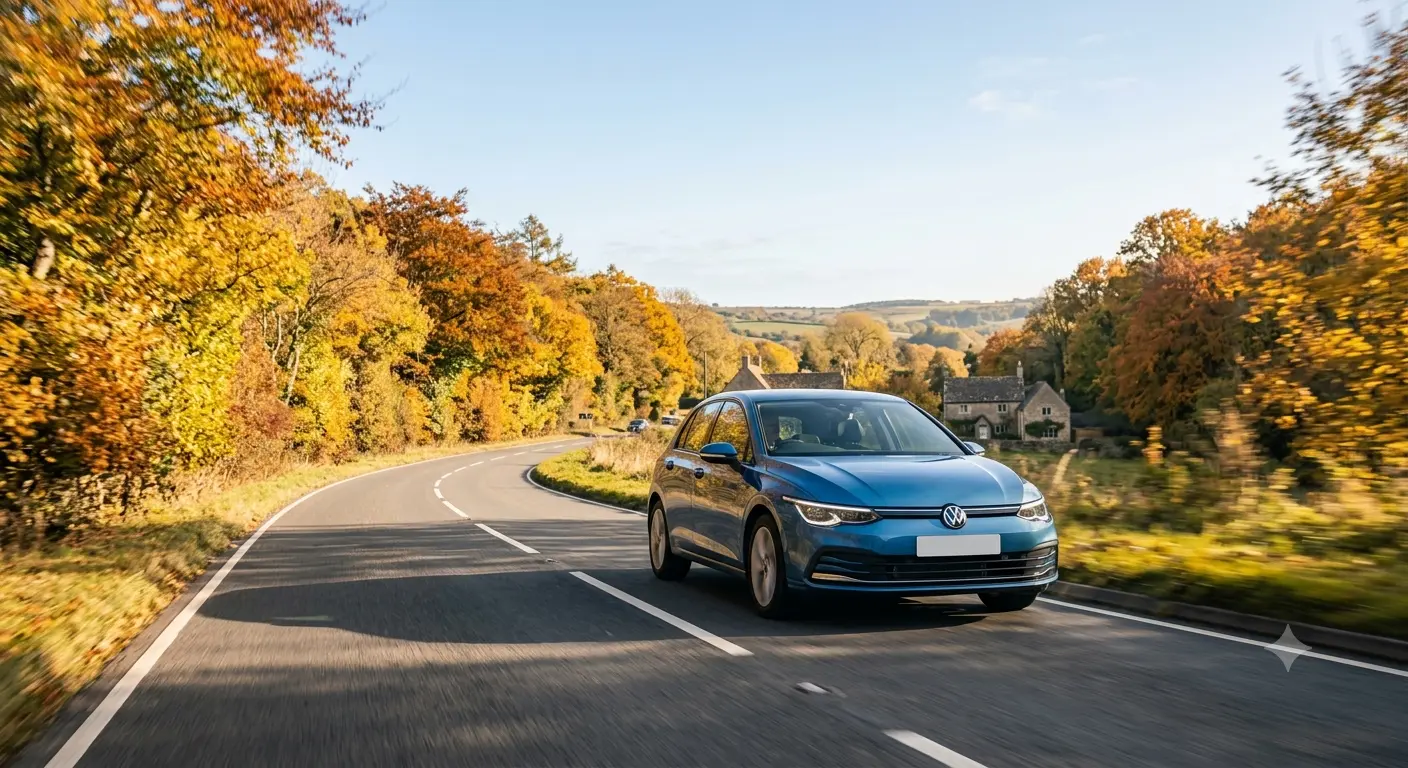
Timing isn’t only about the clock, the calendar matters too. Late spring (April–June) and early autumn (September–October) tend to offer the mildest weather, better daylight, and fewer seasonal disruptions.
Winter tests bring shorter daylight hours, icy conditions, and rain, all of which add pressure for a beginner. Summer holidays, on the other hand, often bring extra traffic near schools, tourist routes, and coastal towns, particularly in July and August. Choosing the best time to take a driving test seasonally means picking a month where you’re not fighting the weather as well as your nerves.
It’s also worth checking your local test centre’s typical demand. Some areas get booked out months in advance during peak seasons, so planning early much like the strategy covered in Booking Your Test Early vs. Fast-Tracked Tests: Which One’s Smarter? can make a real difference to which slots are even available to you.
Weather, Traffic and Test Centre Factors to Consider
Even the perfect time slot can be thrown off by local conditions on the day. Rain, fog, or roadworks near your test centre can change everything, regardless of how carefully you planned your booking.
Before test day, check the DVSA’s official guidance and your local test centre’s known trouble spots, such as busy roundabouts or school zones nearby. A quick look at DVSA Wait Times 2025: How to Book Smart and Save Money can also help you understand how demand at your specific centre affects both waiting times and the quality of slots on offer.
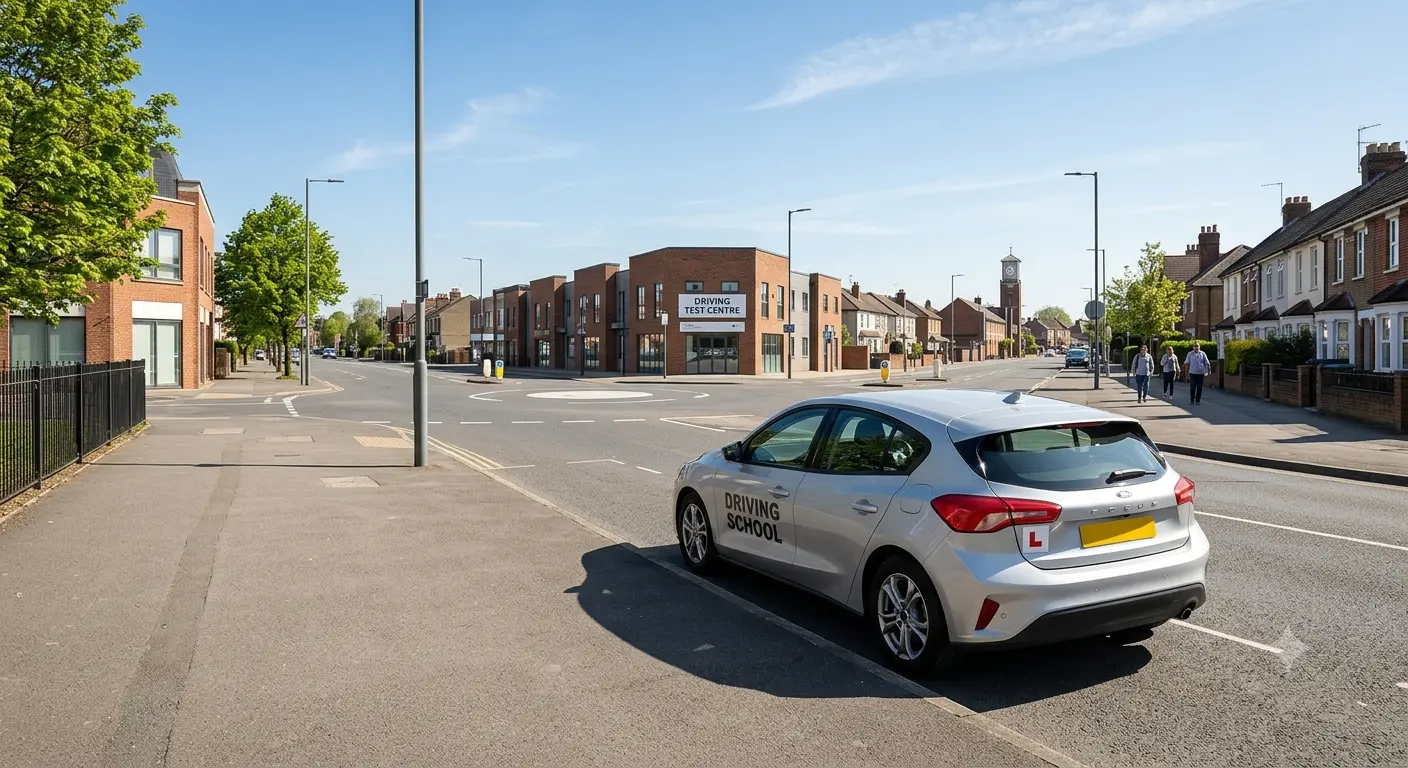
It’s also worth noting that some test centres are simply busier by nature city-centre locations often carry more traffic regardless of time, while smaller town centres tend to stay quieter throughout the day. If you have a choice of nearby centres, this is worth factoring in alongside your preferred time.
Common Timing Mistakes Beginner Drivers Make
Most learners don’t fail because of bad luck they fail because of avoidable timing errors that stack the odds against them from the start.
- Booking the very first appointment of the day, assuming it’s quiet, when commuter traffic is often still building
- Choosing a Monday slot without realising the centre may be catching up on cancellations
- Ignoring school term dates, leading to unexpected traffic near school zones during their test
- Booking without practising at that exact time, so the traffic pattern feels unfamiliar on the day
This last point matters more than people expect. Practising only in the evening and then testing at 9:30am means your first real experience of that traffic is during the actual test. It’s one of the reasons a Mock Driving Test UK: 9 Proven Benefits Before Your Real Driving Test is so useful it lets you rehearse the real conditions, at the real time, before it counts.
Timing mistakes also tend to feed into nerves. If you already struggle with pre-test anxiety, it’s worth reading Driving Anxiety is Real: 7 Effective Learner Tips That Actually Help and How to Overcome Driving Test Nerves and Stay 100% Calm, since a poorly chosen time slot can make existing nerves considerably worse.
How to Book the Best Time to Take a Driving Test
Once you know roughly what you’re aiming for, booking becomes far more strategic than simply grabbing the first available date.
Start by checking the DVSA booking system directly through GOV.UK’s official driving test booking service, which shows real-time availability across nearby centres. Compare a few centres within reasonable travel distance, since slot availability can vary significantly even between towns just a few miles apart.
Once you’ve shortlisted a few options, cross-reference them against:
- Local school run times, typically 8:30 am–9 am and 3 pm–4 pm
- Rush hour patterns specific to your town or city
- Your own personal energy levels and focus throughout the day
If your test date and time were affected by recent format changes, it’s worth reading UK Driving Test Overhaul: What Learners Need to Know About the New Changes to understand how current DVSA procedures might shape your test day experience.
FAQs
What is the best time to take a driving test?
Mid-morning, roughly 9:30 am to 11 am, on a Tuesday, Wednesday, or Thursday, is generally considered the best time to take a driving test. This window avoids rush hour, the school run, and lunchtime congestion.
Is morning or afternoon better for a driving test?
In the morning vs afternoon driving test comparison, morning slightly edges ahead for most learners because roads are calmer and examiners tend to be fresher. However, afternoon slots can suit learners who feel groggy early in the day.
What are the easiest driving test times during the week?
Midweek days Tuesday, Wednesday, and Thursday are typically among the easiest driving test times, since Mondays can be busier with rescheduled bookings and Fridays often see earlier afternoon traffic.
Does the season affect my driving test pass chances?
Yes. Late spring and early autumn generally offer milder weather and better daylight, making them a strong choice when considering the best time to take a driving test across the calendar year.
Should I avoid weekend driving tests?
Weekend slots aren’t necessarily worse, but they often come with more leisure traffic, busier retail areas, and unpredictable pedestrian activity, which can add extra pressure for beginners.
Final Thoughts
Choosing the best time to take a driving test won’t replace solid preparation, but it removes unnecessary obstacles on a day that’s already stressful enough. A calm mid-morning, midweek slot in mild weather gives you the best possible conditions to show what you’ve learned, without extra traffic or nerves working against you. Pair the right timing with proper practice, and you’ll walk into that test centre with one less thing to worry about.