Quick Answer
Intensive driving courses UK help learner drivers complete several weeks or months of driving lessons in a much shorter period. Instead of taking one lesson per week, you learn through focused sessions across a few days or weeks. These courses are ideal if you already have some experience, need a licence quickly, or want structured driving test preparation before your practical driving test.
Introduction
If you are searching for intensive driving courses UK, you probably want to pass your driving test faster without wasting time or money. An intensive course can be a smart option, but only when the course length, instructor, vehicle type, and test preparation match your current driving ability.
Some learners call it a crash driving course. Others describe it as fast-track driving lessons or intensive driving lessons. The idea is the same. You complete focused driving lessons in a shorter timeframe so you can build confidence, improve your road skills, and prepare for the DVSA practical driving test more efficiently.
Before you book, it helps to understand what these courses involve. The cheapest course is not always the best. A 10-hour course may suit someone who is nearly test-ready, but it will not be enough for most complete beginners. Choosing the right course from the start gives you a much better chance of becoming a safe and confident driver. If you’re still unsure how many lessons you may actually need before booking an intensive course, our guide on How Many Driving Lessons Do You Need in the UK? explains the average learning hours and what affects your progress.
Ready to learn faster? Complete the booking form or send an enquiry, and an instructor can help you choose the right course length based on your current experience.
What Are Intensive Driving Courses UK?
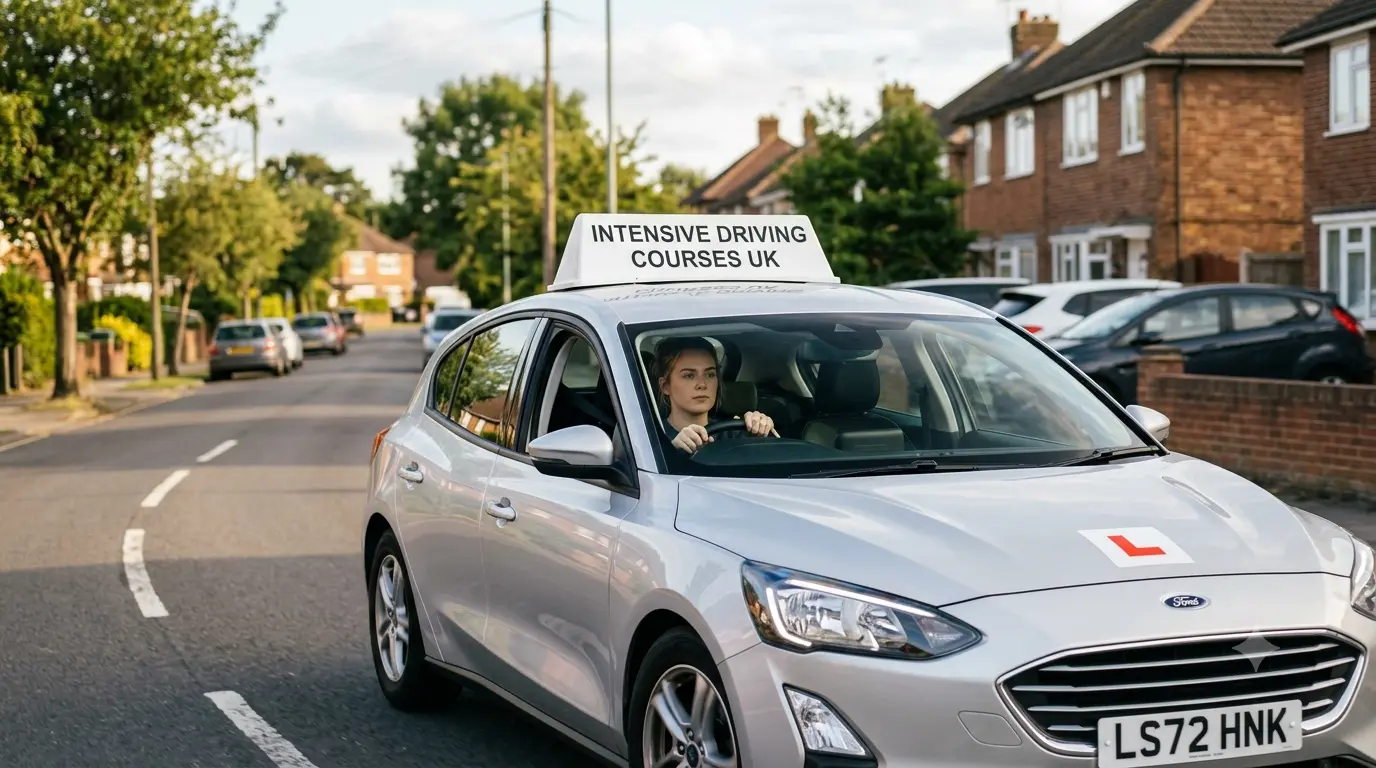
Intensive driving courses UK are structured driving lesson programmes delivered over a short period. Instead of spreading lessons across several months, you may drive for several hours per day over one, two, three, or four weeks.
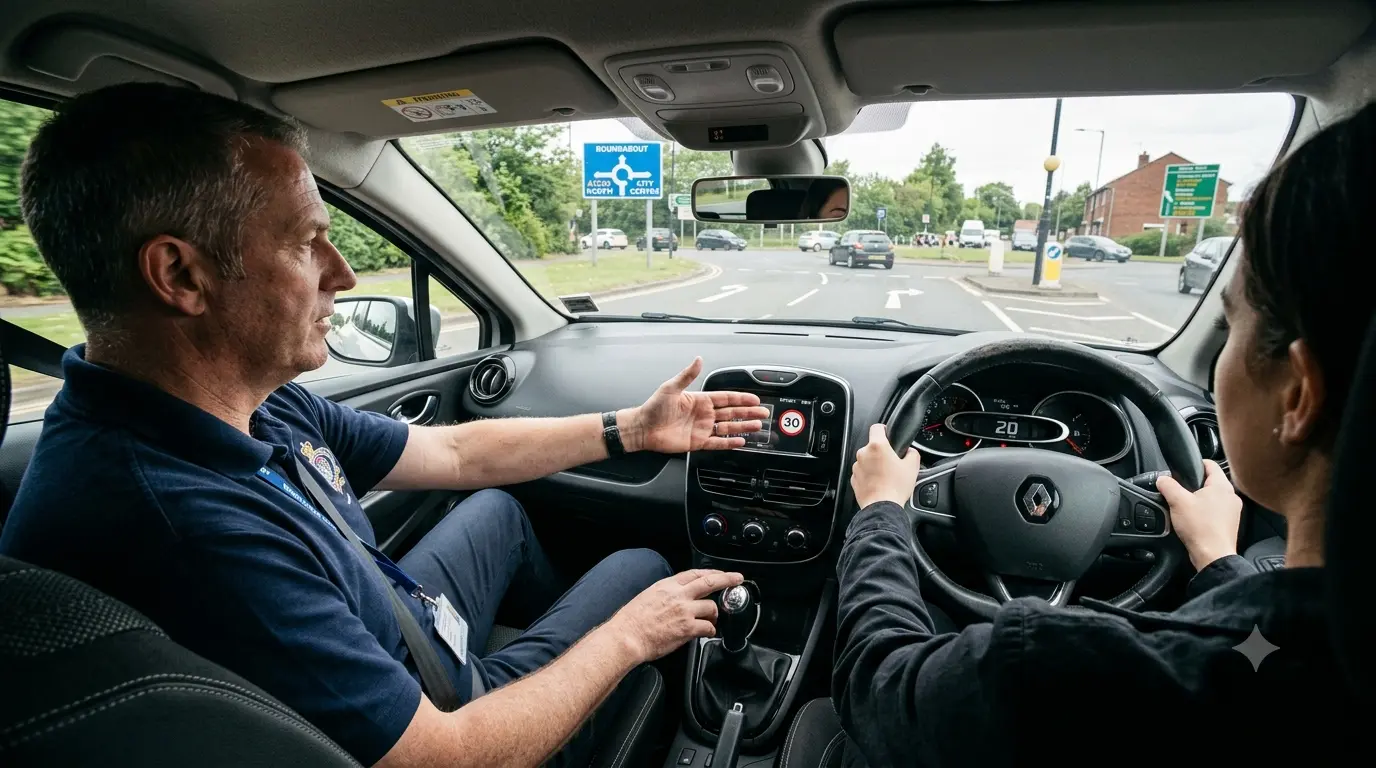
A good intensive course still follows proper learning stages. You cover car control, junctions, roundabouts, mirrors, signals, positioning, dual carriageways where suitable, manoeuvres, independent driving, and test preparation. The difference is the pace and frequency of learning.
For many learners, this regular practice helps skills feel fresh. You are not waiting seven days between lessons, so you spend less time relearning what you covered last week. That can make intensive driving courses UK especially useful for learners who like structure and momentum.
However, an intensive course is not a guaranteed shortcut. You still need a valid UK provisional licence, enough practical ability, theory knowledge, and a calm approach to feedback. The best courses focus on safe driving first and passing the test second. If you’re still unsure how many lessons you may realistically need before becoming test-ready, read How Many Driving Lessons Do You Need in the UK? for a detailed breakdown based on different learner experience levels.
Who Should Choose an Intensive Driving Course?
An intensive course is a strong choice for learners who want faster progress and can commit to concentrated learning. It often works well for people who have already taken some driving lessons UK and now need a final push before the practical driving test.
It can also suit university students, people starting a new job, learners who are relocating, or anyone who needs a driving licence within a shorter timeframe. If you struggle to stay motivated with weekly lessons, a fast-track format may help you stay focused.
Complete beginners can also take intensive driving courses UK, but they usually need more hours. A beginner who has never driven before will need time to build basic control, road awareness, and confidence. A longer beginner course is usually safer and more realistic than trying to rush through a very short crash driving course.
If you are unsure where you stand, read How Many Driving Lessons Do You Need in the UK? before choosing your package. It will help you understand whether you need a beginner, intermediate, refresher, or test-ready course.
How Long Do Intensive Driving Courses UK Take?
The length of intensive driving courses UK depends on your starting point. A complete beginner often needs around 40 to 50 hours, which may be spread over two to four weeks. This gives enough time to learn the basics, develop road confidence, practise manoeuvres, and prepare properly for test conditions.
A learner with some driving experience may need around 20 to 30 hours. This type of course is often completed within five to ten days, depending on instructor availability, your schedule, and how quickly you respond to feedback.
If you are nearly test-ready, 10 to 15 hours may be enough to polish your skills, fix weak areas, and complete a mock driving test. A test rescue course can be even shorter, often around 5 to 10 hours, but this is only suitable if you already drive safely and need focused support before your DVSA driving test.
For a deeper guide on learning times, link naturally to How Long Does It Take to Learn to Drive UK?.

How Much Do Intensive Driving Courses UK Cost?
The cost of intensive driving courses UK varies by location, instructor experience, vehicle type, course length, and whether the practical driving test is included. Automatic intensive course prices can sometimes be slightly different from manual intensive course prices, depending on local demand and availability.
As a general guide, a 10-hour course may cost around £350 to £550. A 20-hour course may cost around £700 to £1,000. A 30-hour course may cost around £1,000 to £1,400. A 40-hour course may cost around £1,300 to £1,800. Longer 45 to 50-hour beginner courses may cost around £1,600 to £2,000 or more.
The upfront cost can feel higher than weekly lessons, but the total learning journey may be shorter. Some learners save money because they avoid months of stop-start lessons. Others may still need extra practice after the course, especially if they booked too few hours.
Before booking, check what is included. Some providers include test booking support, a mock driving test, pick-up and drop-off, and a lesson before the practical driving test. Others charge separately. For a wider cost breakdown, use How Much Do Driving Lessons Cost in the UK? (Real 2026 Prices + What You’ll Actually Pay) as a helpful internal link.
Before committing to any intensive course, compare exactly what’s included in the price, such as mock tests, practical test booking, and car hire on test day. For a wider comparison of lesson prices across the UK, read How Much Do Driving Lessons Cost in the UK? before making your decision.
Automatic vs Manual Intensive Driving Courses UK
Choosing between automatic and manual matters because it affects your learning experience and your future licence. An automatic intensive course is often easier for nervous learners because there is no clutch control or manual gear changing. This lets you focus more on road awareness, steering, speed, positioning, and decision-making.
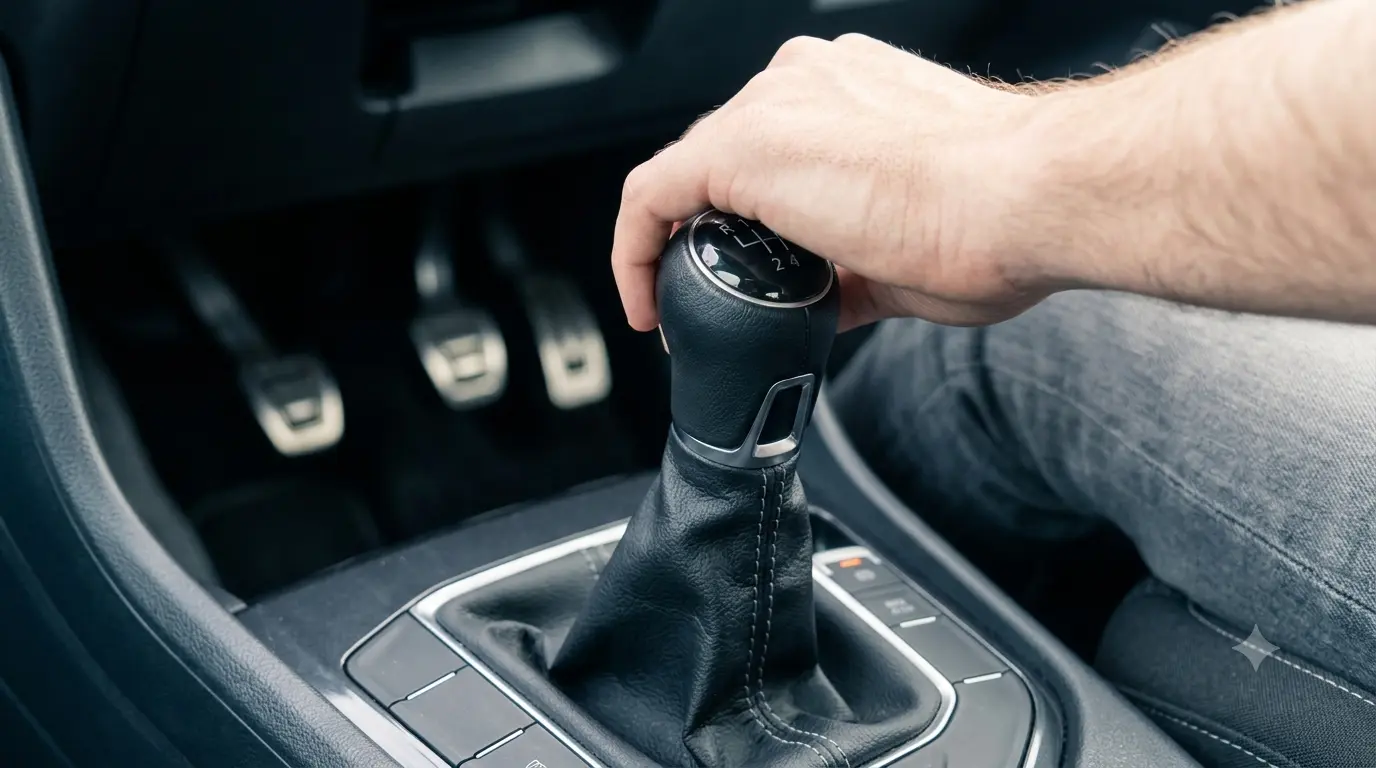
A manual intensive course gives you more long-term flexibility. If you pass in a manual car, you can drive both manual and automatic vehicles. Manual lessons may feel harder at first, especially if you struggle with clutch control, hill starts, or gear changes, but many learners still prefer the freedom a manual licence gives.
There is no single best option for everyone. If your priority is to pass quickly and you only plan to drive automatic cars, automatic intensive driving lessons may make sense. If you want maximum licence flexibility, manual may be the better long-term choice.
There isn’t a single right choice for every learner. If your goal is to pass quickly and you expect to drive automatic cars, an automatic course may suit you best. If you want greater flexibility after passing, a manual licence remains the better long-term option. Our guide Automatic vs Manual Driving Lessons: Which Is Best for You in 2026? explains the pros and cons of each in more detail.
Intensive Driving Course vs Weekly Driving Lessons
An intensive course is faster. Weekly lessons are more flexible. The right choice depends on your timetable, budget, confidence, and learning style.
With intensive driving courses UK, you learn quickly because your lessons are close together. This helps knowledge retention because each session builds directly on the last. It is useful if you have a deadline or want to reach test standard sooner.
Weekly lessons are easier to manage if you have work, school, family commitments, or a limited monthly budget. They give you more time to absorb each skill gradually, but the overall learning process can take several months.
The upfront cost of an intensive course is usually higher because you pay for many hours at once. Weekly lessons feel more affordable at the start, but the final cost can still add up if your learning stretches over a long period.
If you’re focused, available, and ready to learn quickly, intensive lessons can be an excellent option. However, if you feel nervous behind the wheel or prefer learning at a slower pace, weekly lessons may be more suitable. If confidence is holding you back, read Driving Anxiety is Real: 7 Effective Learner Tips That Actually Help for practical advice on managing driving nerves.
Do Intensive Driving Courses Improve Pass Rates?
Intensive driving courses UK can improve preparation, but they do not guarantee a pass. Your result depends on your ability, mindset, instructor quality, practice level, and how you perform during the practical driving test.
The main benefit is consistency. When you practise regularly, you are more likely to remember routines, correct mistakes quickly, and build confidence. A learner who drives for several days in a row may feel more test-ready than someone who only drives once per week.
That said, rushing is risky. If you book too few hours, skip theory revision, or ignore instructor feedback, you may still fail. A strong intensive course should include driving test preparation, realistic feedback, and ideally a mock driving test before the real exam.
One of the best ways to improve your confidence before test day is by completing a realistic practice exam with your instructor. Find out why this approach works in Mock Driving Test UK: 9 Proven Benefits Before Your Real Driving Test and learn how mock tests can highlight the areas that still need improvement.
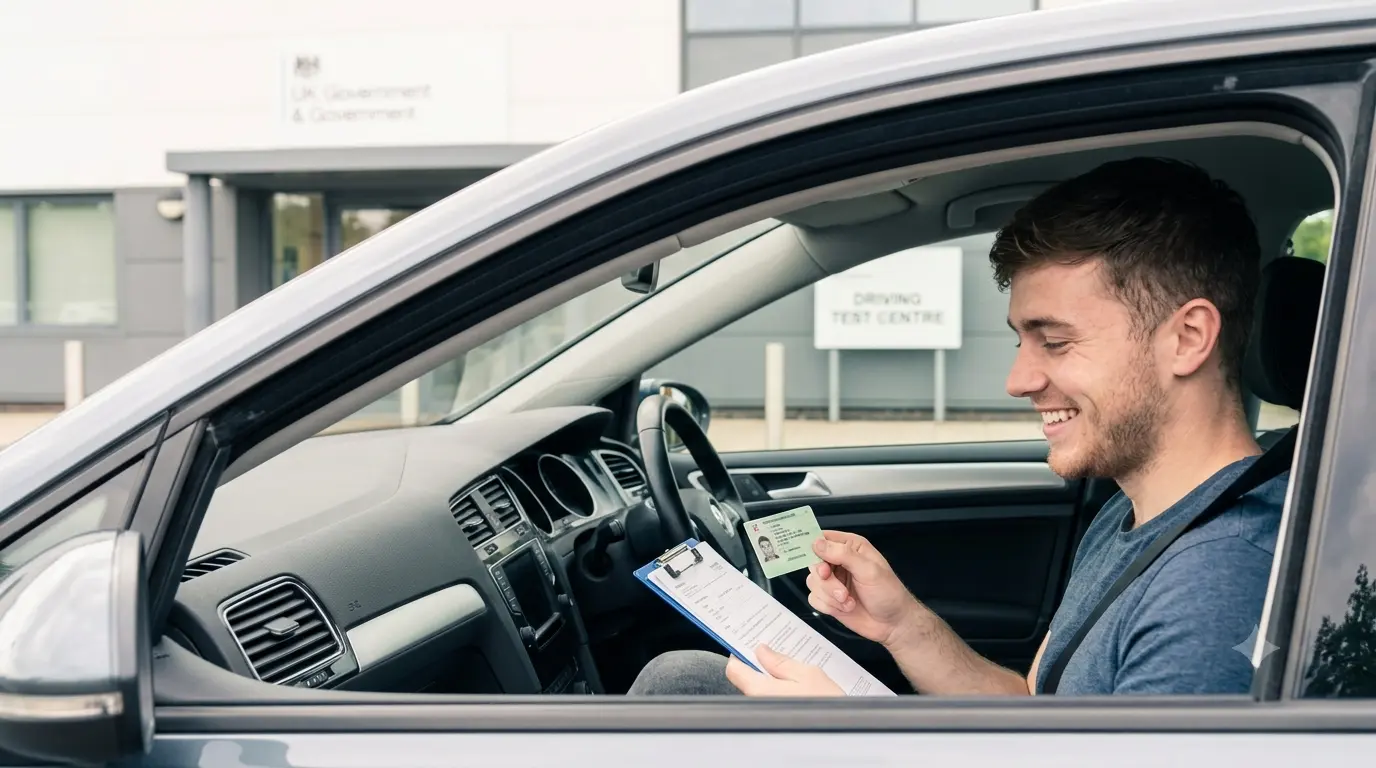
DVSA Requirements Before Booking
Before booking intensive driving courses UK, make sure you meet the basic legal and practical requirements. You need a valid UK provisional licence before you can learn to drive on public roads. You also need a provisional licence to book your theory test, and GOV.UK states that you must pass the theory test before booking the driving test.
You must also meet the required eyesight standard. GOV.UK guidance says drivers should be able to read a number plate from 20 metres away, with glasses or contact lenses if needed. The Highway Code is also essential reading for learner drivers because it explains road rules, signs, safety responsibilities, and legal guidance for road users.
How to Prepare Before Your Intensive Course
Good preparation makes intensive driving lessons more effective. Start by passing your theory test or at least preparing seriously before your course begins. This allows you to focus more lesson time on practical driving rather than road rules you could have learned earlier.
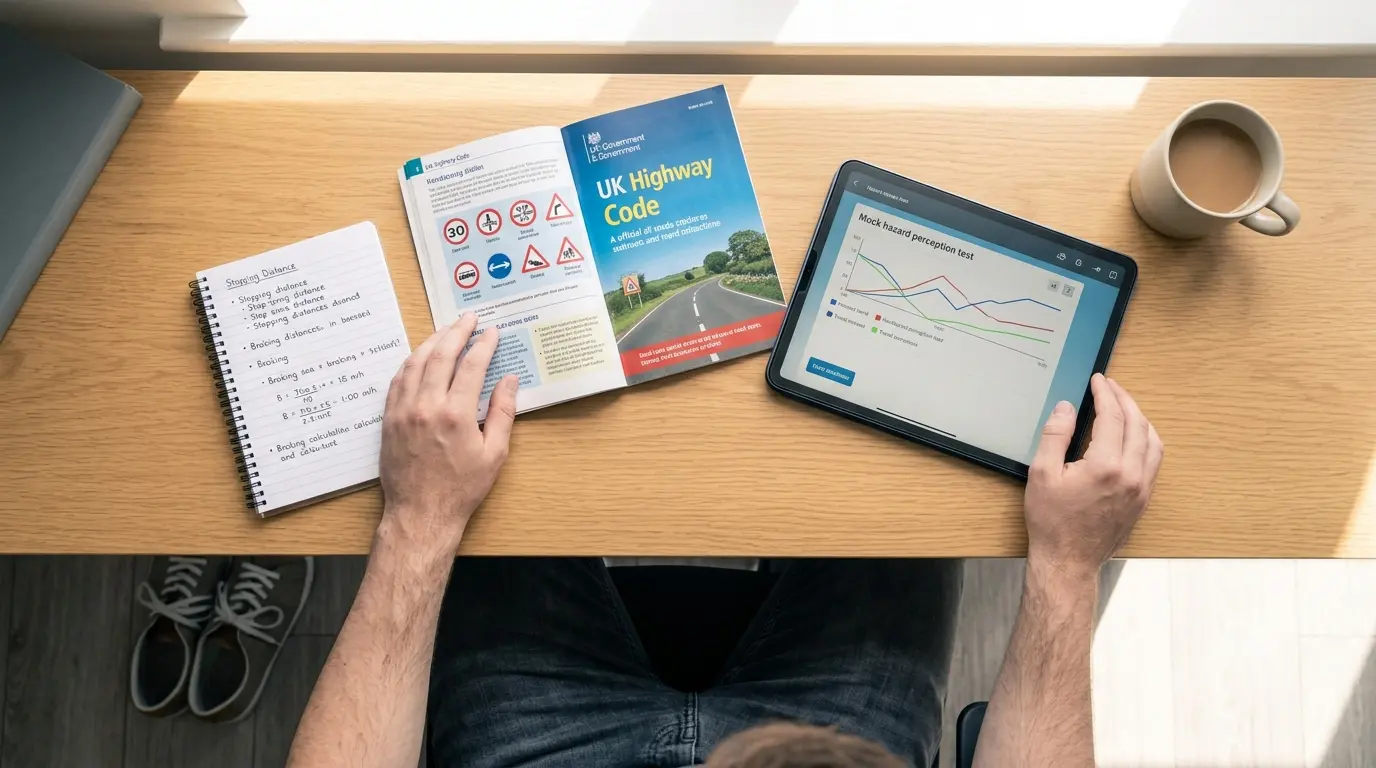
Revise The Highway Code, practise road signs, and understand basic priorities at junctions and roundabouts. Wear comfortable shoes with thin soles so you can feel the pedals properly. Try to sleep well before lessons because intensive driving requires concentration, patience, and quick decision-making.
It also helps to arrive with the right mindset. You will make mistakes. That is part of learning. A good driving instructor will correct those mistakes clearly and help you understand why they happened. If you treat feedback as guidance rather than criticism, you will improve much faster.
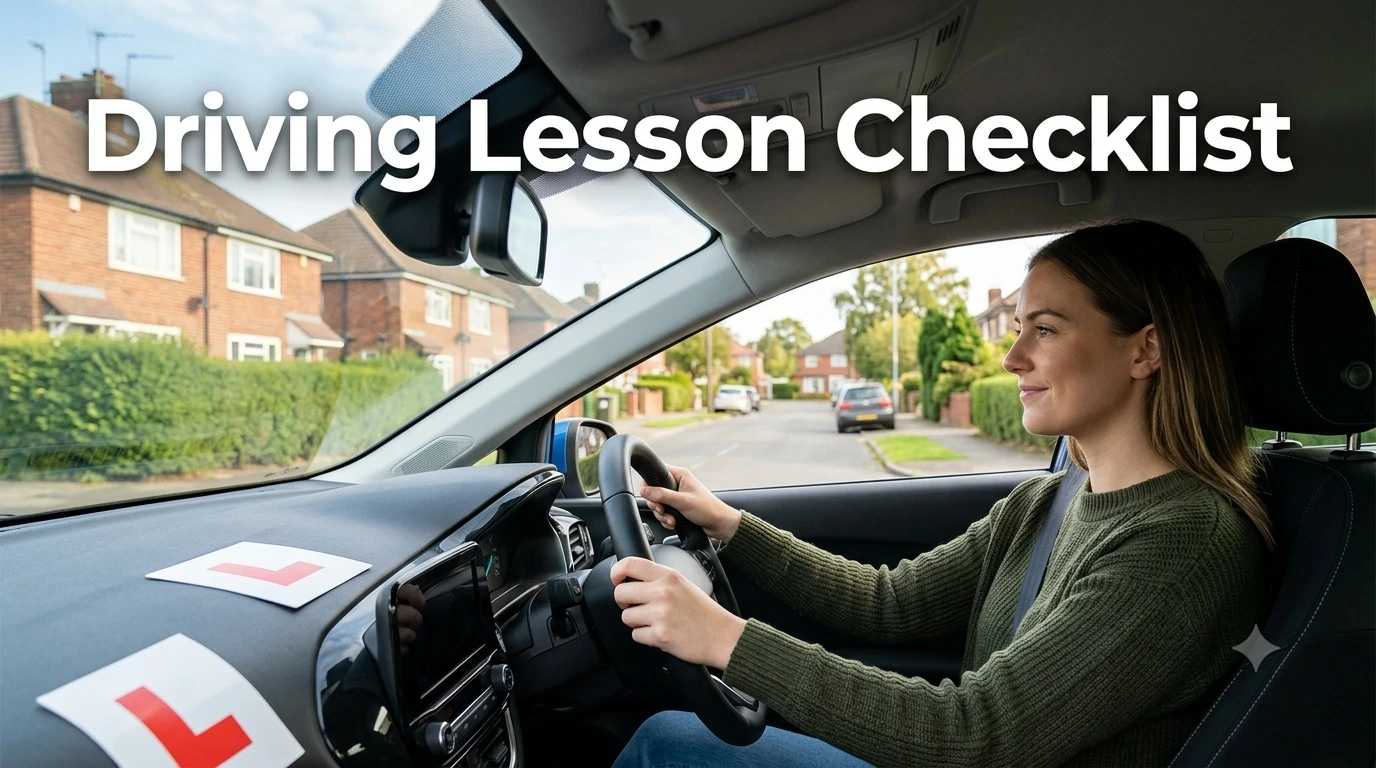
Preparing properly before your first lesson helps you make better use of every hour behind the wheel. From what to bring to what you should revise beforehand, our Driving Lesson Checklist: 15 Essential Things Every Beginner Must Know covers everything you need before starting your course.
Common Mistakes Learners Make
One common mistake is booking too few hours. A 10-hour crash driving course sounds attractive, but it is not realistic for most beginners. If you need 30 hours and only book 10, you may end up paying for extra lessons and another test later.
Another mistake is focusing only on passing rather than learning to drive safely. The practical driving test checks whether you can drive independently and safely in real traffic. Your goal should be to become calm, observant, and consistent, not just lucky on test day.
Some learners also ignore weak areas. If you struggle with roundabouts, meeting traffic, bay parking, or independent driving, do not avoid them. Ask your instructor for targeted practice. The sooner you fix weak points, the stronger your final test preparation becomes.
Instead of avoiding the manoeuvres or road situations you find difficult, ask your instructor to spend extra time practising them. Fixing weak areas early can make a significant difference on test day. To avoid the mistakes that catch out thousands of learners every year, read Top 10 Reasons People Fail Driving Test – (And How You Won’t).
How to Choose the Right Driving Instructor
The driving instructor is just as important as the course length. A strong instructor explains clearly, stays patient, adapts to your learning style, and gives honest feedback. They should also understand DVSA driving test standards and prepare you for real road situations, not just quiet practice routes.
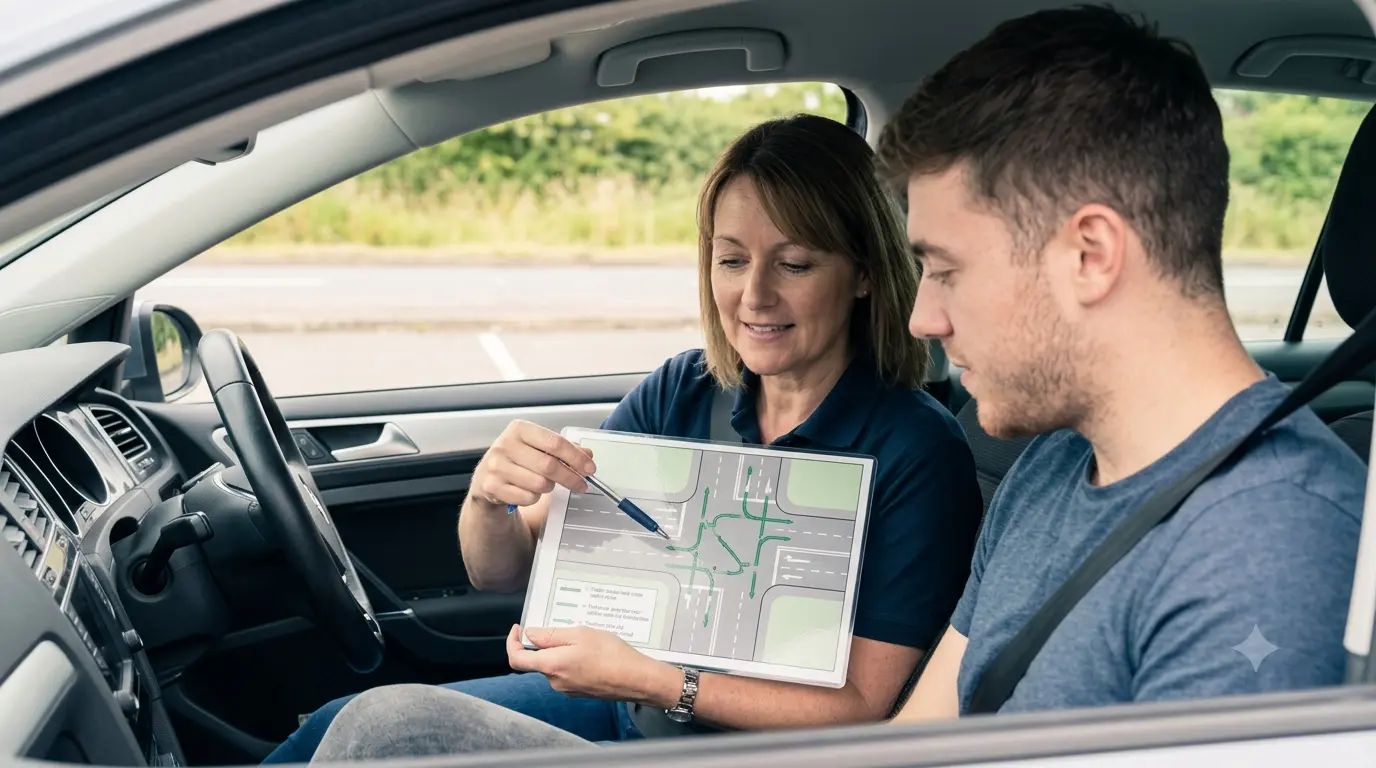
Read genuine reviews before booking. Look for comments about reliability, communication, patience, test preparation, and learner confidence. A cheap course with poor instruction can cost more in the long run if you need extra lessons or fail because you were not properly prepared.
Ask what happens if you are not test-ready by the end of the course. A trustworthy driving school should be honest with you. They should not push you into a test if you are unsafe or not ready.
This is the best guide: How to Choose the Right Driving Instructor.
Expert Tips for Intensive Driving Courses UK
Choose your course based on experience, not ego. If you are a beginner, give yourself enough hours to learn properly. If you already have experience, a shorter course may be enough to sharpen your skills.
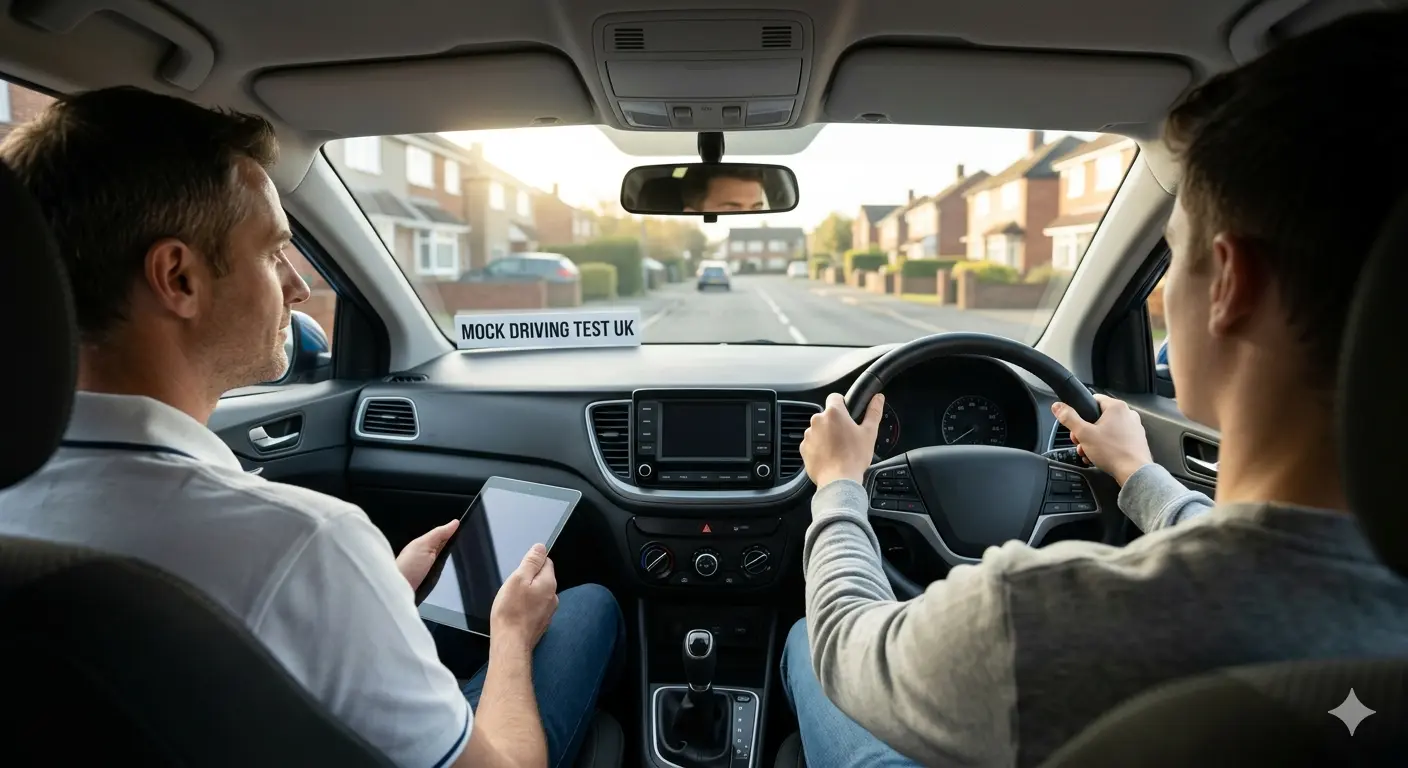
Take a mock driving test before your real test. It helps you understand how you behave under pressure and shows which areas still need work.
Practise with a family member if you are insured and legally allowed to do so. Private practice can support your lessons, but it should not replace professional instruction.
Keep your theory knowledge fresh throughout your learning journey. Even after passing the theory test, road signs, stopping distances, hazard awareness, and road rules remain essential during your practical test and everyday driving. If you’re still preparing for the theory exam, read How to Pass Theory Test First Time: 12 Proven DVSA Tips That Actually Work to improve your chances of passing on your first attempt.
Most importantly, listen to your instructor. Their job is not just to help you pass. Their job is to help you become a safe, independent driver.
If you are ready to move faster, this is a good point to place a short booking form. Ask learners to share their experience level, preferred transmission, postcode, theory test status, and target test date.
Final Thoughts:
Intensive driving courses UK can be a practical and effective way to learn faster, prepare for the practical driving test, and build confidence in a shorter timeframe. They work best when the course is matched to your ability, taught by a reliable driving instructor, and supported by proper theory knowledge and realistic mock test practice.
The best course is not always the shortest or cheapest. It is the one that gives you enough time to become safe, confident, and ready for independent driving. Whether you choose an automatic intensive course or a manual intensive course, focus on long-term driving skill rather than simply rushing towards the test date.
FAQs
Are intensive driving courses UK worth it?
Yes, intensive driving courses UK can be worth it if you want faster progress and can commit to focused learning. They are especially useful for learners with some previous experience, people with deadlines, or anyone who wants structured driving test preparation.
Can a complete beginner take an intensive driving course?
Yes, a complete beginner can take an intensive course, but they usually need a longer package. A beginner should not expect to become test-ready in only a few hours. Most new learners need time to build control, confidence, awareness, and safe habits.
How many hours do I need for an intensive driving course?
The right number of hours depends on your experience. A complete beginner may need 40 to 50 hours. Someone with previous driving lessons may need 20 to 30 hours. A nearly test-ready learner may only need 10 to 15 hours.
Is an automatic intensive course easier than manual?
Many learners find an automatic intensive course easier because there is no clutch or manual gear changing. This can help nervous learners focus more on the road. However, passing in an automatic car means you can only drive automatic vehicles unless you later pass a manual test.
Do intensive driving courses include the practical driving test?
Some intensive driving courses include the practical driving test, while others charge for it separately. Always check what is included before booking. Ask about test fees, car hire for the test, mock tests, and cancellation policies.
Do I need to pass my theory test first?
Yes. You must pass your theory test before you can book your practical driving test. Many learners choose to complete the theory exam before starting an intensive course so they can focus fully on practical driving. If you’re getting ready for the theory test, our guide How to Pass Theory Test First Time: 12 Proven DVSA Tips That Actually Work shares practical revision tips and common mistakes to avoid.
Can I fail after an intensive driving course?
Yes, you can still fail after an intensive course. No course can guarantee a pass. Your result depends on your skill, preparation, nerves, traffic conditions, and test-day decisions. The right course improves your chances by helping you prepare properly.
Should I choose intensive lessons or weekly lessons?
Choose intensive lessons if you want faster progress, can manage the upfront cost, and have time for concentrated learning. Choose weekly lessons if you prefer a slower pace, need more flexibility, or want to spread the cost over time.