Learning to drive is an exciting milestone, but it can also be expensive. Between lessons, theory tests, practical tests, and the inevitable extras, the costs quickly add up. In fact, many learners are shocked by how much a full driving course can run before they even step into the car for the first time.
The good news? There are practical ways to save money while learning to drive without compromising on the quality of your lessons or your chances of passing. By making smart choices and following some proven driving tips, you can potentially save £500 or more during your learning journey.
1. Plan Your Lessons Strategically
One of the biggest hidden costs in learning to drive is inefficient scheduling. Booking lessons sporadically or with long gaps between sessions can slow progress, forcing you to take extra lessons to refresh your memory.
Tip: Book lessons consistently, ideally 1–2 times per week, so you build momentum. This approach ensures you retain skills and don’t need as many catch-up lessons, which directly saves money.
2. Choose the Right Driving School
Price alone doesn’t tell the full story. Some learners are tempted by cheap lessons, only to find the quality of instruction poor or inconsistent, which can lead to failing your driving test and paying for extra lessons.
Tip: Look for a school with experienced instructors, transparent pricing, and good reviews. Sometimes paying slightly more per lesson upfront means fewer lessons overall, which can save you hundreds.
3. Make the Most of Private Practice
If you have access to a safe, insured car and a responsible supervising driver (like a parent), use this for extra practice. Practicing between lessons reinforces your skills and reduces the number of professional lessons needed.
Driving Tip: Focus on manoeuvres and junction practice in quiet areas. Even 30 minutes of consistent practice several times a week can make a noticeable difference in your readiness.
4. Combine Lesson Blocks
Many schools offer lesson packages at a discounted rate compared to single lessons. Buying blocks of 10 or more lessons often saves money per session, especially if you’re committed to a learning schedule.
Tip: Confirm with your instructor how many lessons you realistically need and book a block that covers your estimated learning curve. You’ll pay less per hour and stay focused with a structured plan.
5. Book Your Driving Test Early
DVSA test slots can be scarce, and many learners pay extra for fast-tracked tests to get an earlier date. While this seems convenient, it often leads to unnecessary spending.
Tip: Book your test as soon as you pass the theory test. You’ll save on unnecessary fees and give yourself ample time to prepare properly, reducing the need for extra lessons caused by last-minute panic.
6. Study Theory Thoroughly
Many learners underestimate the value of the theory test. Failing it means extra money and time to retake it.
Driving Tip: Use online practice tests, apps, and study guides to ensure you pass first time. A little preparation upfront avoids repeating the test and wasting money on booking fees.
7. Focus on Quality Over Quantity
It’s tempting to take as many lessons as possible, thinking more hours will automatically improve your skills. But quality matters more than quantity. One well-structured lesson with an experienced instructor can do more than two or three poorly focused sessions.
Tip: Discuss your strengths and weaknesses openly with your instructor. Targeted lessons save time, reduce frustration, and cut unnecessary costs.
8. Take Advantage of Off-Peak Lessons
Some driving schools offer discounts for lessons outside peak hours or during quieter times.
Tip: Early mornings, late afternoons, or midweek sessions are often cheaper. Booking lessons strategically can reduce overall costs without compromising quality.
9. Avoid Last-Minute Bookings
Waiting until the last minute for lessons or tests often means higher fees or limited availability. This can force you into more expensive options or rescheduling, which adds up quickly.
Tip: Plan your learning schedule in advance. Knowing when you’ll book your lessons and tests allows you to choose the most cost-effective options.
10. Practice Defensive Driving Techniques
Mastering defensive driving during lessons ensures fewer mistakes on the road and during your test. Less mistakes mean fewer extra lessons, fewer retakes, and lower costs overall.
Driving Tip: Pay attention to hazard perception, spacing, and speed control. This reduces errors during practice and increases your confidence for test day.
11. Make Use of Free Resources
There’s a wealth of free materials online from YouTube tutorials to DVSA-approved guides that can complement your lessons. These resources can help you review manoeuvres, road rules, and driving techniques between professional lessons.
Tip: Incorporate these free resources into your practice routine. Learning outside the car keeps costs down while reinforcing essential skills.
12. Learn to Self-Assess
Being able to critically evaluate your own driving can prevent repetitive mistakes that require additional lessons when you are learning to drive.
Driving Tip: After each lesson, jot down what went well and what needs improvement. Discuss your notes with your instructor. Over time, self-awareness reduces errors and the number of lessons needed.
13. Practice in All Conditions
Many learners delay practicing in rain, fog, or night conditions, leading to extra lessons later to gain confidence in challenging conditions.
Tip: Practicing in different weather and lighting conditions early helps you master skills faster, reduces nervousness, and lowers overall costs while learning to drive.
14. Use Multi-Car or Group Lessons
Some schools offer shared driving experiences where a small group can practice observation and theory scenarios. These sessions are often cheaper than one-to-one lessons.
Tip: Use these strategically to supplement your main lessons. It’s a budget-friendly way to reinforce knowledge without compromising on learning.
15. Avoid Driving Test “Shortcuts”
Fast-tracking tests, paying for unofficial tips, or trying to cram lessons into a short period may seem like a time-saver, but they usually backfire. Learners often fail and end up paying even more.
Tip: Focus on genuine learning to drive strategies. Skill development beats shortcuts every time, saving you money and boosting confidence.
16. Track Your Progress
Keeping a record of your completed lessons, areas of improvement, and mock test results ensures you know exactly when you’re ready. Wasting lessons due to uncertainty adds unnecessary cost.
Tip: Use a notebook or app to track each lesson and progress on manoeuvres, road rules, and hazard perception. Knowing you’re ready prevents extra lessons and retakes.
17. Smart Driving Test Preparation
The difference between passing on your first attempt or needing a second test often comes down to preparation for the test day itself.
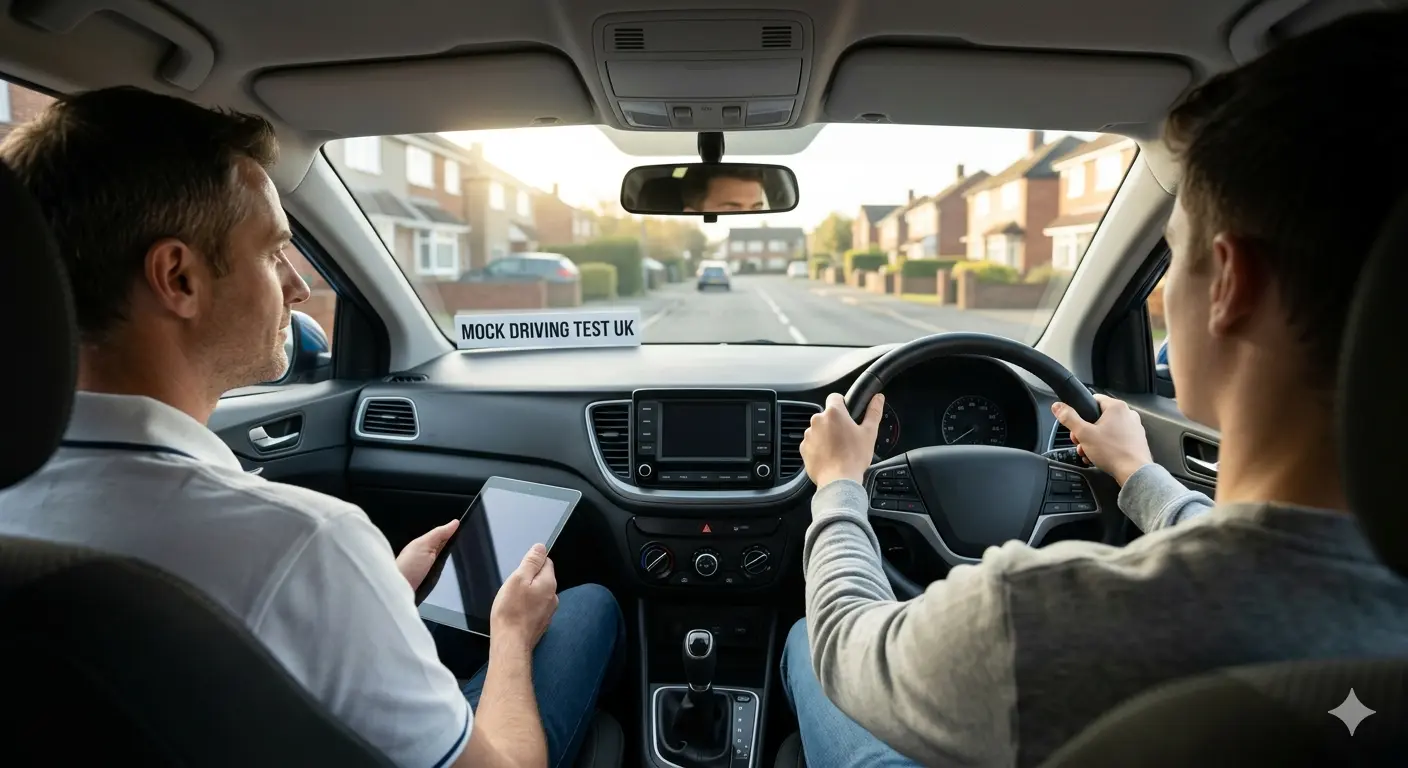
Driving Tip: Take at least one mock test under realistic conditions. Simulating the test day reduces stress, prevents mistakes, and avoids the cost of retaking the test.
18. Invest in a Skilled Instructor
Paying for quality instruction upfront can seem more expensive, but it usually reduces overall costs. A good instructor spots errors early, builds confidence quickly, and prevents the need for additional lessons.
Tip: Ask for recommendations, check reviews, and consider trial lessons before committing to a long package.
19. Timing Your Lessons Around Theory Test Success
Passing your theory test is the gateway to booking your practical test and progressing efficiently. Delaying lessons while learning to drive until after the theory test ensures you don’t waste money on lessons you’re not ready for.
Driving Tip: Schedule your lessons with a clear plan based on your theory test success, avoiding unnecessary practice that doesn’t directly prepare you for the practical test.
The Big Picture
By combining these practical strategies like booking smart, practicing effectively, using resources wisely, and investing in quality instruction you can realistically save £500 or more while learning to drive.
The key takeaway is this: saving money doesn’t mean cutting corners. It means being strategic, organized, and intentional about your learning journey. Smart planning ensures you not only save money but also pass your driving test confidently and safely.
Read “Top 10 Reasons People Fail Driving Test” to find out more about how our driving lessons can help you out.